Your Are poured walls better than block images are ready in this website. Are poured walls better than block are a topic that is being searched for and liked by netizens now. You can Get the Are poured walls better than block files here. Find and Download all free photos and vectors.
If you’re searching for are poured walls better than block pictures information linked to the are poured walls better than block interest, you have visit the ideal blog. Our website frequently provides you with suggestions for downloading the maximum quality video and picture content, please kindly surf and locate more informative video content and images that match your interests.
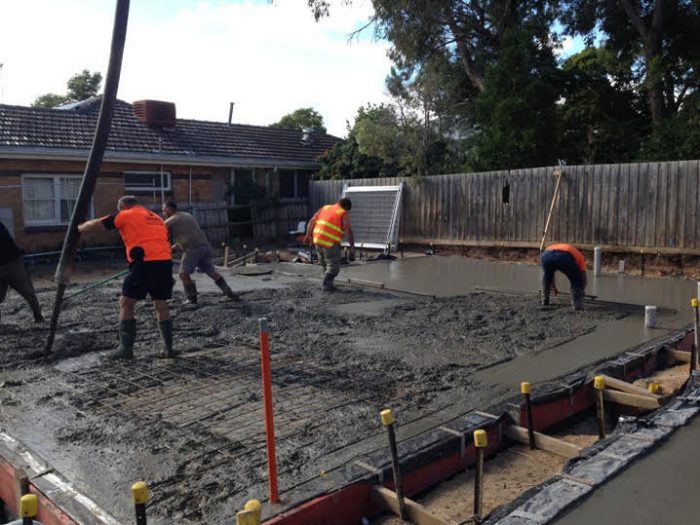
Are Poured Walls Better Than Block. A poured wall doesnt have joints like a block wall so it is easier to waterproof. A poured concrete wall takes less time to install has more mass is joint free typically is between 6 and 10 inches thick and with the steel rebar that is placed inside the wall it assures you of a less problematic way of constructing a basement wall. The wall lies on top of the footing and the floor meets the wall here. Poured walls have a better lateral strength which means they are able to resist more pressure from the water and the soil from the outside.
 How To Build A Concrete Wall For Your Own Private Backyard Retreat Concrete Blocks Concrete Block Walls Retaining Wall From es.pinterest.com
Poured wall is initally more expensive. I think we may be causing ourselves more trouble in the long run with block in terms of warranty performance and customer service than our cost savings has been up front. For a poured wall extra height just means taller forms and more materials. Poured concrete foundation walls are arguably stronger than cinder block foundation walls. The Cons of Poured Concrete Wall Foundations. Poured or cast walls must have horizontal steel top and bottom.
Poured walls tend to be the preferred choice of new construction builders.
In addition to initial costs consideration was also given to structural. Block is more labor intensiveespecially as the height of the wall increases. Poured walls tend to be the preferred choice of new construction builders. Block walls can be as strong or stronger than poured walls. Block cores must be filled with pea-gravel concrete. Poured or cast walls must have horizontal steel top and bottom.
 Source: pinterest.com
A poured wall doesnt have joints like a block wall so it is easier to waterproof. Ill try to word my posts better in the future. In addition to initial costs consideration was also given to structural. Water and weather wear down the mortar over time and can causes leaks. Poured concrete walls are unquestionably more durable than cinder block walls.
 Source: pinterest.com
Poured concrete is a huge time saver. Poured walls have a better lateral strength which means they are able to resist more pressure from the water and the soil from the outside. Poured concrete walls have better lateral strength than CMU block foundations which improves their resistance to pressure from water and soil. When walls are tall pouring is much faster than using block. The Cons of Poured Concrete Wall Foundations.
 Source: pinterest.com
Poured concrete is a huge time saver. While both foundation types can be completely waterproofed block walls tend to have more leaks because of the significant number of joints they have. The only joint found in poured concrete basements is the cove joint. Poured wall is initally more expensive. For a poured wall extra height just means taller forms and more materials.
 Source: pinterest.com
Poured concrete is a huge time saver. This is where the floor meets the wall and the wall sits on top of the footing. Poured concrete foundation walls are arguably stronger than cinder block foundation walls. Reinforcing steel needs to be in block walls - both vertical and horizontal. Block is more labor intensiveespecially as the height of the wall increases.
 Source: pinterest.com
Poured concrete foundation walls are arguably stronger than cinder block foundation walls. The Cons of Poured Concrete Wall Foundations. Poured walls have a better lateral strength which means they are able to resist more pressure from the water and the soil from the outside. A poured concrete wall takes less time to install has more mass is joint free typically is between 6 and 10 inches thick and with the steel rebar that is placed inside the wall it assures you of a less problematic way of constructing a basement wall. The cove joint is the only joint present in poured concrete basements.
 Source: pinterest.com
For purposes of the study a 24-by -40-foot basement complete with footings waterproofing and including all material and labor was examined from the standpoint of poured concrete full 8-inch block and modular 7 58 -inch-high block for both frame and veneered homes. They dont have joints like the ones found between blocks. For a poured wall extra height just means taller forms and more materials. They dont have the same kinds of joints that you see between blocks. It would take a small army of masons to achieve the same results building with concrete block.
 Source: pinterest.com
Poured foundations are simpler to waterproof since there are no joints like stacked cinder blocks have. Block walls can be as strong or stronger than poured walls. Poured foundations are simpler to waterproof since there are no joints like stacked cinder blocks have. About 60-70 more than block in my area but in the long run it may be the best answer. All too often builders and sub-contractors fail to realize the limitations of certain masonry materials.
Source: es.pinterest.com
They dont have the same kinds of joints that you see between blocks. Poured concrete wall foundations are arguably stronger than cinder blocks. Block walls can be as strong or stronger than poured walls. Also the porosity of CMUs makes waterproofing more difficult in a full foundation. While both foundation types can be completely waterproofed block walls tend to have more leaks because of the significant number of joints they have.
 Source: pinterest.com
Poured walls have a better lateral strength which means they are able to resist more pressure from the water and the soil from the outside. A poured wall doesnt have joints like a block wall so it is easier to waterproof. They dont have the same kinds of joints that you see between blocks. Well in our opinion and now with time tested results we have experienced less problems with poured walls than block. They dont have joints like the ones found between blocks.
 Source: pinterest.com
Poured concrete foundation walls are arguably stronger than cinder block foundation walls. Block and concrete are strong in compression but weak in tension. Block walls can be as strong or stronger than poured walls. The wall lies on top of the footing and the floor meets the wall here. The only joint found in poured concrete basements is the cove joint.
 Source: es.pinterest.com
You can create any shape wall or foundation with poured concrete. The cove joint is the only joint present in poured concrete basements. Poured or cast walls must have horizontal steel top and bottom. Ill try to word my posts better in the future. Block cores must be filled with pea-gravel concrete.
 Source: pinterest.com
A poured wall doesnt have joints like a block wall so it is easier to waterproof. Ill try to word my posts better in the future. For purposes of the study a 24-by -40-foot basement complete with footings waterproofing and including all material and labor was examined from the standpoint of poured concrete full 8-inch block and modular 7 58 -inch-high block for both frame and veneered homes. You can create any shape wall or foundation with poured concrete. They dont have joints like the ones found between blocks.
 Source: pinterest.com
Poured or cast walls must have horizontal steel top and bottom. Poured concrete walls are unquestionably more durable than cinder block walls. Block cores must be filled with pea-gravel concrete. All too often builders and sub-contractors fail to realize the limitations of certain masonry materials. Poured concrete foundations are a bit more resistant to the elements pushing in from the outside while concrete block foundations tend to.
 Source: pinterest.com
Block cores must be filled with pea-gravel concrete. All too often builders and sub-contractors fail to realize the limitations of certain masonry materials. Poured or cast walls must have horizontal steel top and bottom. They dont have the same kinds of joints that you see between blocks. The only joint found in poured concrete basements is the cove joint.
 Source: pinterest.com
While both foundation types can be completely waterproofed block walls tend to have more leaks because of the significant number of joints they have. Undoubtedly poured concrete walls are a lot stronger than cinder block walls. The cove joint is the only joint present in poured concrete basements. Block cores must be filled with pea-gravel concrete. It would take a small army of masons to achieve the same results building with concrete block.
 Source: pinterest.com
Poured concrete foundation walls are arguably stronger than cinder block foundation walls. Undoubtedly poured concrete walls are a lot stronger than cinder block walls. While both foundation types can be completely waterproofed block walls tend to have more leaks because of the significant number of joints they have. Poured walls have a better lateral strength which means they are able to resist more pressure from the water and the soil from the outside. Be sure you use lots of steel no matter which material you.
 Source: pinterest.com
Which One is Better. Poured or cast walls must have horizontal steel top and bottom. Poured walls have a better lateral strength which means they are able to resist more pressure from the water and the soil from the outside. For a poured wall extra height just means taller forms and more materials. They dont have joints like the ones found between blocks.
 Source: pinterest.com
About 60-70 more than block in my area but in the long run it may be the best answer. The cove joint is the only joint present in poured concrete basements. Ill try to word my posts better in the future. Poured concrete foundations are a bit more resistant to the elements pushing in from the outside while concrete block foundations tend to. They dont have joints like the ones found between blocks.
This site is an open community for users to share their favorite wallpapers on the internet, all images or pictures in this website are for personal wallpaper use only, it is stricly prohibited to use this wallpaper for commercial purposes, if you are the author and find this image is shared without your permission, please kindly raise a DMCA report to Us.
If you find this site adventageous, please support us by sharing this posts to your own social media accounts like Facebook, Instagram and so on or you can also save this blog page with the title are poured walls better than block by using Ctrl + D for devices a laptop with a Windows operating system or Command + D for laptops with an Apple operating system. If you use a smartphone, you can also use the drawer menu of the browser you are using. Whether it’s a Windows, Mac, iOS or Android operating system, you will still be able to bookmark this website.