Your Curing time for suspended concrete slab images are ready in this website. Curing time for suspended concrete slab are a topic that is being searched for and liked by netizens now. You can Find and Download the Curing time for suspended concrete slab files here. Download all free photos.
If you’re looking for curing time for suspended concrete slab images information related to the curing time for suspended concrete slab keyword, you have visit the right blog. Our site frequently gives you hints for seeking the highest quality video and image content, please kindly surf and locate more informative video content and graphics that fit your interests.
Curing Time For Suspended Concrete Slab. Cure concrete for at least 7 days. The ideal curing temperature is 23C. Rapid Hardening Cement - stripping time of 37 of the time stated above Table-2 will be sufficient in all cases except for vertical sides of slabs beams and columns which should be retained at least for 24 hours. Bridge decks piers columns beams slabs small footings cast-in-place walls retaining walls require a minimum curing period of seven days for ambient temperatures above 40 degrees Fahrenheit 1.
 Sketch Of A Conductive Concrete Slab Ready To Be Tested Download Scientific Diagram From researchgate.net
The general rule of thumb for concrete drying is 30 days to dry for every 1-inch of slab thickness. Bridge decks piers columns beams slabs small footings cast-in-place walls retaining walls require a minimum curing period of seven days for ambient temperatures above 40 degrees Fahrenheit 1. This assumes appropriate curing and compaction two things that I have never seen on a residential concrete slab. Concrete which is moist cured for 7 days is about 50 stronger than uncured concrete. 1 It retains moisture in the slab so. Curing plays an important role on strength development and durability of concrete.
Concrete cure time varies by climate moisture level and concrete type but there are a few rules of thumb to follow.
For those who are laying concrete in a domestic area like the garden concrete is reasonably set within 24-48 hours. Alterations of wetting and drying promote the development of cracking. Bridge decks piers columns beams slabs small footings cast-in-place walls retaining walls require a minimum curing period of seven days for ambient temperatures above 40 degrees Fahrenheit 1. Staying off the concrete for the recommended amount of time ensures that it has enough time to cure preventing future damage and making your investment worth the money. Curing Times for Concrete. The ideal curing temperature is 23C.
 Source: ecobuilt.co.za
The concrete curing period takes about 30 days to be fully cured. Concrete cure time varies by climate moisture level and concrete type but there are a few rules of thumb to follow. Staying off the concrete for the recommended amount of time ensures that it has enough time to cure preventing future damage and making your investment worth the money. For those who are laying concrete in a domestic area like the garden concrete is reasonably set within 24-48 hours. Concrete which is moist cured for 7 days is about 50 stronger than uncured concrete.
 Source: wikiwand.com
Slabs on ground eg. After 7 days of curing the concrete will have reached approximately 70 strength. The concrete curing period takes about 30 days to be fully cured. Answered 5 years ago Author has 81 answers and 204K answer views. Staying off the concrete for the recommended amount of time ensures that it has enough time to cure preventing future damage and making your investment worth the money.
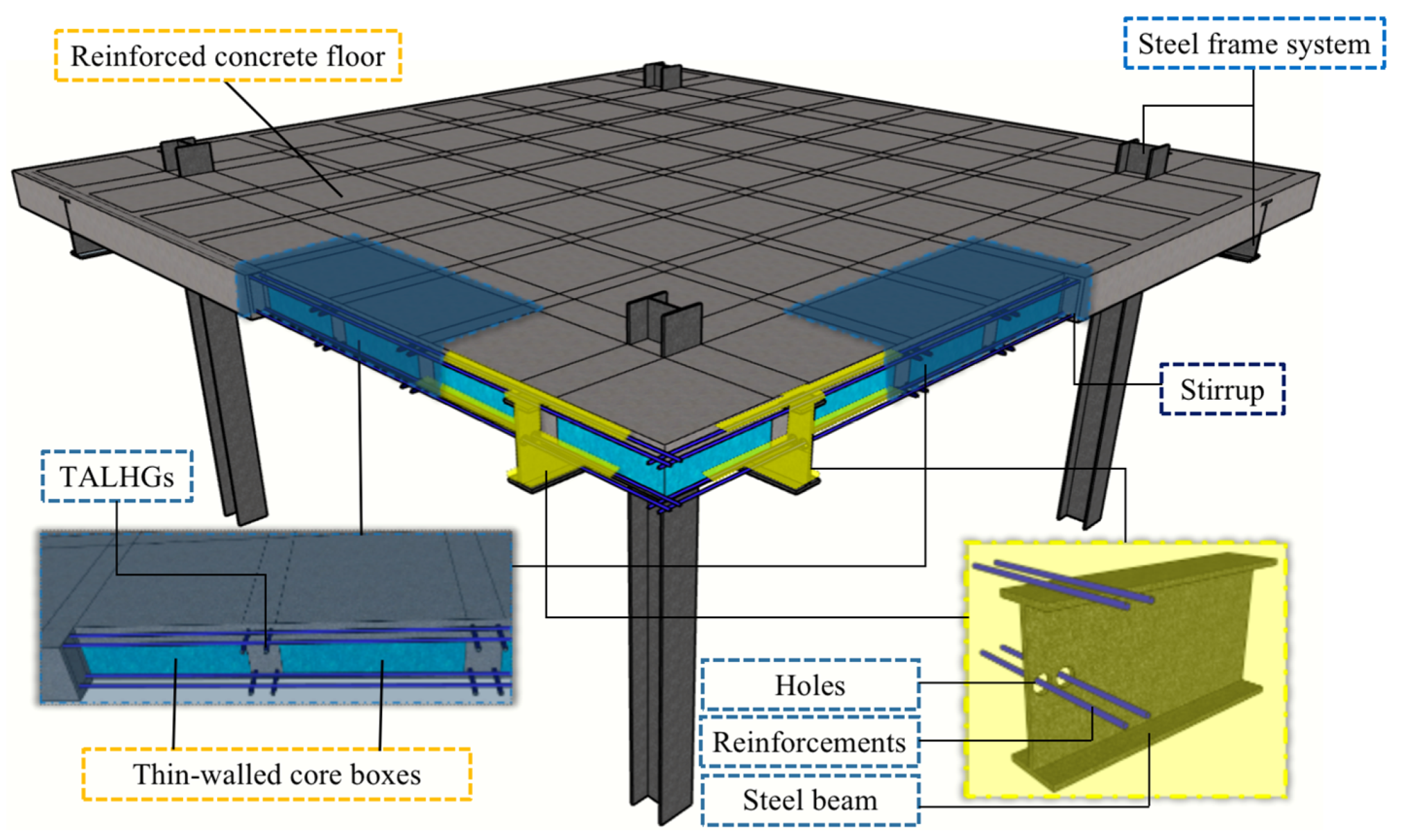 Source: mdpi.com
The general rule of thumb for concrete drying is 30 days to dry for every 1-inch of slab thickness. Concrete cure time varies by climate moisture level and concrete type but there are a few rules of thumb to follow. For those who are laying concrete in a domestic area like the garden concrete is reasonably set within 24-48 hours. Staying off the concrete for the recommended amount of time ensures that it has enough time to cure preventing future damage and making your investment worth the money. Chapter 9Curing protection and joint filling p.
 Source: researchgate.net
3021R-59 91Purpose of curing 92Methods of curing 93Curing at joints 94Curing special concrete 95Length of curing 96Preventing plastic-shrinkage cracking 97Curing after grinding 98Protection of slab during construction. Curing for concrete is done to maintain the optimum moisture content ie. Continuity in curing is a must. After concrete is placed the concrete increases in strength very quickly for a period of 3-7 days. Ad Learn why Meadows solutions are trusted by architects and contractors worldwide.
 Source: buildmagazine.org.nz
Water curing can be done after the slab pour by building dams with soil around the house and flooding the slab. The ideal curing temperature is 23C. After concrete is placed the concrete increases in strength very quickly for a period of 3-7 days. If putting up a timber frame 3 days is OK. Ad Learn why Meadows solutions are trusted by architects and contractors worldwide.
 Source: definecivil.com
Continuity in curing is a must. Specifications for concrete normally include a requirement for a certain design strength level for test cylinders cured for 28 days or they are based on a prescription of a specified cement content. Concrete will gain 70 of its compressive strength the strength of a cylindrical sample crushed in a test specimen within 7 days of pouring. 1 It retains moisture in the slab so. Typical industrial concrete will recognise its full workable strength at the 28 day mark.
 Source: concreteconstruction.net
Water curing can be done after the slab pour by building dams with soil around the house and flooding the slab. If during curing the concrete is allowed to dry out - as may happen in hot weather - the chemical stops right at the point where the concrete loses its moisture. Slabs on ground eg. Just to put a more technical slant on it. Pavements sidewalks parking lots driveways floors canal linings and structural concrete eg.
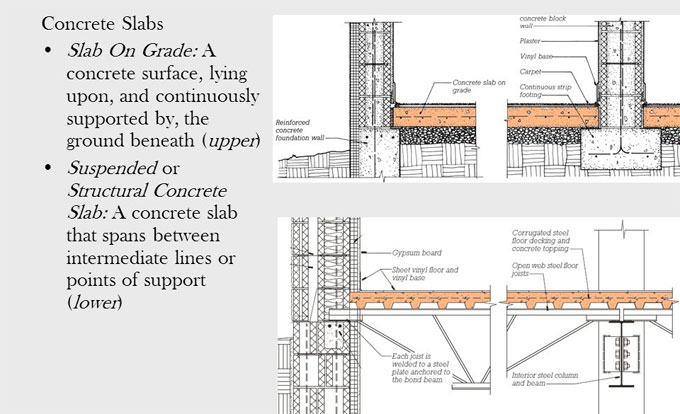 Source: constructioncost.co
Concrete which is moist cured for 7 days is about 50 stronger than uncured concrete. Curing for concrete is done to maintain the optimum moisture content ie. After 7 days of curing the concrete will have reached approximately 70 strength. Specifications for concrete normally include a requirement for a certain design strength level for test cylinders cured for 28 days or they are based on a prescription of a specified cement content. Cure concrete for at least 7 days.
Source: researchgate.net
90 of Concrete design strength achieved in 28 days. Bridge decks piers columns beams slabs small footings cast-in-place walls retaining walls require a minimum curing period of seven days for ambient temperatures above 40 degrees Fahrenheit 1. Water curing increases this figure to 60 whilst 28 days water curing increases it to 95. Curing Times for Concrete. For un framed structure we have to be careful as it may cause over loading of slab supports.
 Source: pinterest.com
Water curing increases this figure to 60 whilst 28 days water curing increases it to 95. Continuity in curing is a must. Curing is a process of spraying water over the set concrete. After 7 days of curing the concrete will have reached approximately 70 strength. So it is clear as time increases on.
 Source: cornellengineers.com.au
The general rule of thumb for concrete drying is 30 days to dry for every 1-inch of slab thickness. Chapter 9Curing protection and joint filling p. Concrete will gain 70 of its compressive strength the strength of a cylindrical sample crushed in a test specimen within 7 days of pouring. Slabs on ground eg. Ad Learn why Meadows solutions are trusted by architects and contractors worldwide.
 Source: buildmagazine.org.nz
Staying off the concrete for the recommended amount of time ensures that it has enough time to cure preventing future damage and making your investment worth the money. Ad Learn why Meadows solutions are trusted by architects and contractors worldwide. For proper curing concrete needs moisture. Just to put a more technical slant on it. Concrete that is allowed to dry out quickly also undergoes considerable early age drying shrinkage.
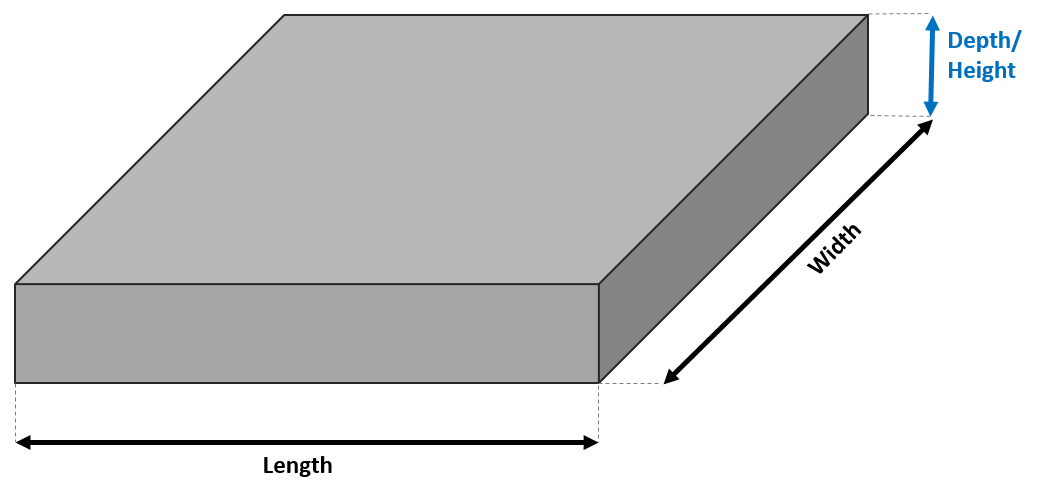 Source: omnicalculator.com
Curing is a process of spraying water over the set concrete. Concrete will gain 70 of its compressive strength the strength of a cylindrical sample crushed in a test specimen within 7 days of pouring. Pavements sidewalks parking lots driveways floors canal linings and structural concrete eg. After 7 days of curing the concrete will have reached approximately 70 strength. Water curing increases this figure to 60 whilst 28 days water curing increases it to 95.
 Source: wikiwand.com
ALLOW PROPER TIME TO WATERCURE SLABS. After concrete is placed the concrete increases in strength very quickly for a period of 3-7 days. Concrete cure time varies by climate moisture level and concrete type but there are a few rules of thumb to follow. Inadequate or insufficient curing is one of main. 75 of Compressive strength achieved in 14 days.
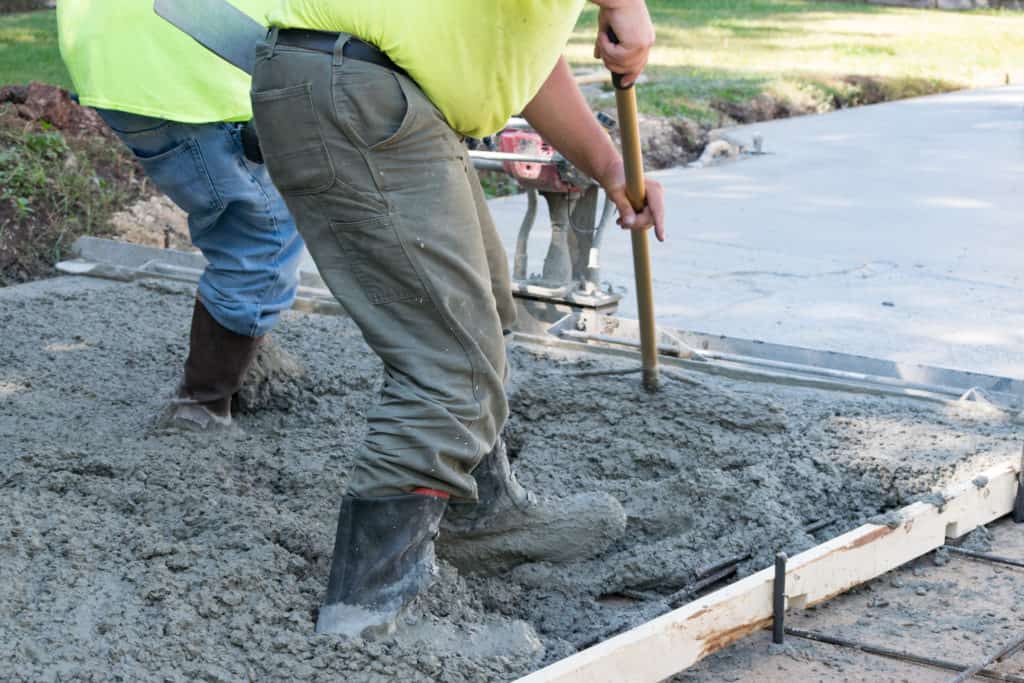 Source: powerblanket.com
Staying off the concrete for the recommended amount of time ensures that it has enough time to cure preventing future damage and making your investment worth the money. Bridge decks piers columns beams slabs small footings cast-in-place walls retaining walls require a minimum curing period of seven days for ambient temperatures above 40 degrees Fahrenheit 1. Water curing can be done after the slab pour by building dams with soil around the house and flooding the slab. Differences in weather mix other items can slightly change the timeframe of the curing period. Ad Learn why Meadows solutions are trusted by architects and contractors worldwide.
 Source: concreteconstruction.net
Curing Times for Concrete. Curing Times for Concrete. Further to which continuation of curing is of no use. If loading with brickwork best to wait 1 week for on-grade slabs and 28 days for suspended slabs with all props removed before loading with brick walls. ALLOW PROPER TIME TO WATERCURE SLABS.
 Source: mdpi.com
For un framed structure we have to be careful as it may cause over loading of slab supports. The concrete curing period takes about 30 days to be fully cured. ALLOW PROPER TIME TO WATERCURE SLABS. Water curing can be done after the slab pour by building dams with soil around the house and flooding the slab. Alterations of wetting and drying promote the development of cracking.
 Source: buildmagazine.org.nz
Concrete cure time varies by climate moisture level and concrete type but there are a few rules of thumb to follow. Further to which continuation of curing is of no use. Specifications for concrete normally include a requirement for a certain design strength level for test cylinders cured for 28 days or they are based on a prescription of a specified cement content. The ideal curing temperature is 23C. Typical industrial concrete will recognise its full workable strength at the 28 day mark.
This site is an open community for users to submit their favorite wallpapers on the internet, all images or pictures in this website are for personal wallpaper use only, it is stricly prohibited to use this wallpaper for commercial purposes, if you are the author and find this image is shared without your permission, please kindly raise a DMCA report to Us.
If you find this site serviceableness, please support us by sharing this posts to your preference social media accounts like Facebook, Instagram and so on or you can also bookmark this blog page with the title curing time for suspended concrete slab by using Ctrl + D for devices a laptop with a Windows operating system or Command + D for laptops with an Apple operating system. If you use a smartphone, you can also use the drawer menu of the browser you are using. Whether it’s a Windows, Mac, iOS or Android operating system, you will still be able to bookmark this website.


