Your How to seal concrete walls images are available in this site. How to seal concrete walls are a topic that is being searched for and liked by netizens now. You can Find and Download the How to seal concrete walls files here. Download all royalty-free photos.
If you’re looking for how to seal concrete walls pictures information related to the how to seal concrete walls interest, you have come to the right blog. Our website always provides you with suggestions for refferencing the highest quality video and image content, please kindly hunt and locate more informative video articles and images that fit your interests.
How To Seal Concrete Walls. Apply RadonSeal Plus Spray two wet-on-wet applications of RadonSeal Plus at a coverage rate of 200 sq. To just remove mold and mildew spots use BioZap All-Natural Mold Mildew Cleaner instead of strong acidic cleaners and inhaling fumes from the use of chlorine bleach. When the paint dries the sealant forms a watertight bond to stop water from seeping through. Youll paint this sealant onto the concrete in long even strokes.
 Pin On House Ideas From pinterest.com
Once the concrete is clean and thoroughly dry apply RadonSeal Deep-Penetrating Concrete Sealer to the walls read application instructions. Depending on how porous your concrete is a gallon of sealer will cover 250 to 500 square feet. Wait at least 30 days before sealing a new concrete surfacewhether indoors or outso that it has time to completely cure first. You may need to wait several days. Besides use on the basement inside walls the method is also effective on toilet walls dams sewage treatment plants water treatment plants bridges and others. Bring 4 cups of water to boil.
Concretesealer foundationwallsealer floorsealerRadonSeal concrete sealer will waterproof strengthen penetrate and permanently seal indoor or outdoor po.
Paint a generous coating of this material onto the wall working the product. To seal a control joint or expansion joint crack in a concrete slab use a flexible sealant designed for foundation crack repair or sealing. Cook mixture for 1 minute. Apply Ion-Bond Armor recommended Allow RadonSeal to cure for at least 10 days. Besides use on the basement inside walls the method is also effective on toilet walls dams sewage treatment plants water treatment plants bridges and others. Apply RadonSeal Plus Spray two wet-on-wet applications of RadonSeal Plus at a coverage rate of 200 sq.
 Source: pinterest.com
If the cracks are moving you will need to seal them with Drizoro Maxjoint Elastic as it will it takes up movement and will. When the paint dries the sealant forms a watertight bond to stop water from seeping through. Heres how to make the glue at home. Then apply 2 coats of concrete sealer to your basement walls letting. Apply a masonry waterproofing product to the walls.
 Source: pinterest.com
Apply Ion-Bond Armor recommended Allow RadonSeal to cure for at least 10 days. Seal the Concrete Use a masonry or concrete sealant to seal the wall. Ad Free 2-day Shipping On Millions of Items. Only apply the sealer to basement walls that are bare concrete or brick. You may need to wait several days.
 Source: pinterest.com
To just remove mold and mildew spots use BioZap All-Natural Mold Mildew Cleaner instead of strong acidic cleaners and inhaling fumes from the use of chlorine bleach. Apply the First Coat Apply the first coat and wait at least two hours before. Seal the Concrete Use a masonry or concrete sealant to seal the wall. Wait at least 30 days before sealing a new concrete surfacewhether indoors or outso that it has time to completely cure first. For the best results the concrete surface should be clean and dry.
 Source: pinterest.com
If the cracks are moving you will need to seal them with Drizoro Maxjoint Elastic as it will it takes up movement and will. Pour the mixture into a spray bottle. Pour the mixture of corn starch and water into the boiling water. The radon mitigation industry offers special foundation caulks and sealants for that purpose as well. To just remove mold and mildew spots use BioZap All-Natural Mold Mildew Cleaner instead of strong acidic cleaners and inhaling fumes from the use of chlorine bleach.
 Source: pinterest.com
For the best results the concrete surface should be clean and dry. How do you seal an exterior concrete block wall. Depending on how porous your concrete is a gallon of sealer will cover 250 to 500 square feet. Seal the Concrete Use a masonry or concrete sealant to seal the wall. Besides use on the basement inside walls the method is also effective on toilet walls dams sewage treatment plants water treatment plants bridges and others.
 Source: pinterest.com
Pour the mixture of corn starch and water into the boiling water. Pour 1 tablespoon of corn starch into 14 cup of cold water. If the blocks are continuously wet drill weeping holes using a masonry drill bit at the bottom of each core. Ensure That Wall Is Clean and Dry. Seal the entire concrete wall with a waterproof masonry product.
 Source: pinterest.com
To just remove mold and mildew spots use BioZap All-Natural Mold Mildew Cleaner instead of strong acidic cleaners and inhaling fumes from the use of chlorine bleach. If the cracks are moving you will need to seal them with Drizoro Maxjoint Elastic as it will it takes up movement and will. The radon mitigation industry offers special foundation caulks and sealants for that purpose as well. Apply Ion-Bond Armor recommended Allow RadonSeal to cure for at least 10 days. This wall crack runs from ceiling to floor and leaks anytime there.
 Source: br.pinterest.com
Ensure That Wall Is Clean and Dry. If the cracks are moving you will need to seal them with Drizoro Maxjoint Elastic as it will it takes up movement and will. Seal coat the interior of the walls with a suitable masonry waterproof product. Pour the mixture into a spray bottle. Pour 1 tablespoon of corn starch into 14 cup of cold water.
 Source: pinterest.com
Seal the Concrete Use a masonry or concrete sealant to seal the wall. Concretesealer foundationwallsealer floorsealerRadonSeal concrete sealer will waterproof strengthen penetrate and permanently seal indoor or outdoor po. Depending on how porous your concrete is a gallon of sealer will cover 250 to 500 square feet. Bring 4 cups of water to boil. To just remove mold and mildew spots use BioZap All-Natural Mold Mildew Cleaner instead of strong acidic cleaners and inhaling fumes from the use of chlorine bleach.
 Source: pinterest.com
If the blocks are continuously wet drill weeping holes using a masonry drill bit at the bottom of each core. If the blocks are continuously wet drill weeping holes using a masonry drill bit at the bottom of each core. Cook mixture for 1 minute. Seal the entire concrete wall with a waterproof masonry product. If the cracks are moving you will need to seal them with Drizoro Maxjoint Elastic as it will it takes up movement and will.
 Source: pinterest.com
Seal coat the interior of the walls with a suitable masonry waterproof product. Pour 1 tablespoon of corn starch into 14 cup of cold water. RadonSeal works by penetrating below the surface of concrete reacting with lime and alkalis internally and curing as a hardened mineral within the microscopic pores and capillaries of concrete. Of course proper sealing is critical for protecting the beauty of any concrete piece but it is absolutely essential for wet areas like tubs and showers. To just remove mold and mildew spots use BioZap All-Natural Mold Mildew Cleaner instead of strong acidic cleaners and inhaling fumes from the use of chlorine bleach.
 Source: pinterest.com
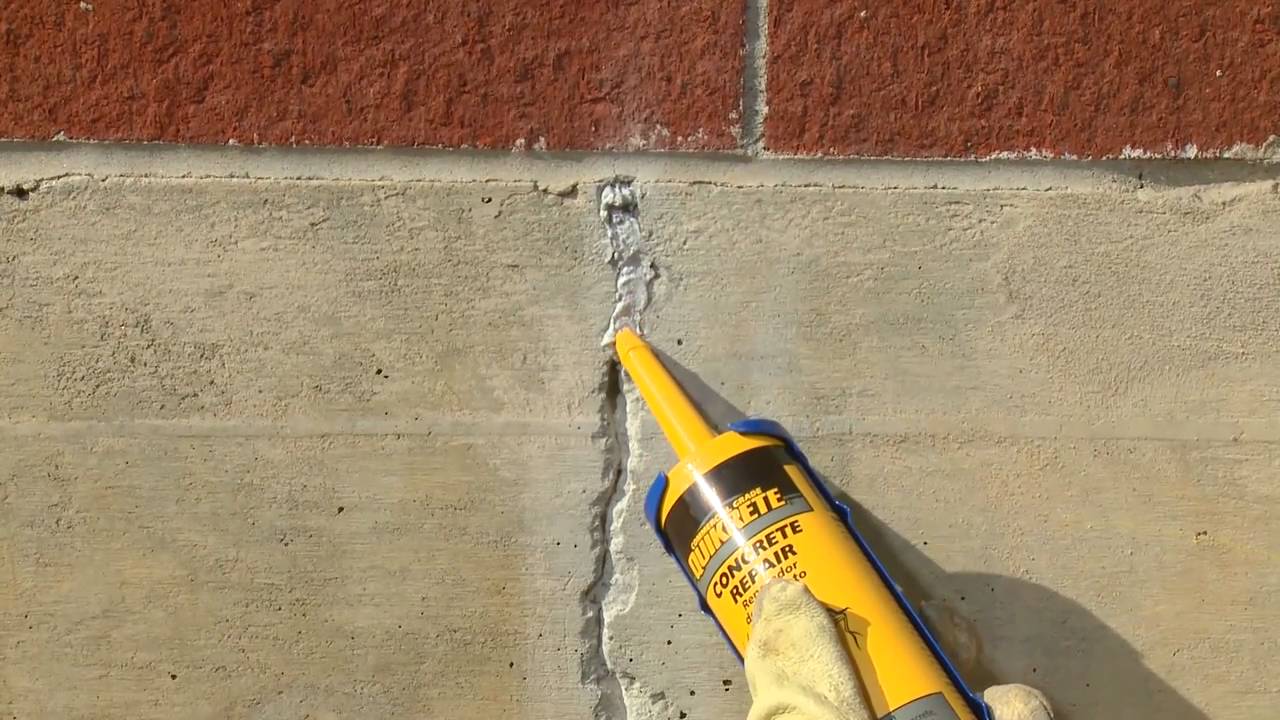
Cook mixture for 1 minute. Where the cracks in the concrete wall are very small use a waterproof sealant or a brush-on material that you can easily apply to the wall like paint. This wall crack runs from ceiling to floor and leaks anytime there. When the paint dries the sealant forms a watertight bond to stop water from seeping through. Once the concrete is clean and thoroughly dry apply RadonSeal Deep-Penetrating Concrete Sealer to the walls read application instructions.
 Source: pinterest.com
RadonSeal works by penetrating below the surface of concrete reacting with lime and alkalis internally and curing as a hardened mineral within the microscopic pores and capillaries of concrete. Seal the entire concrete wall with a waterproof masonry product. Apply a masonry waterproofing product to the walls. Pour the mixture of corn starch and water into the boiling water. This is how you.
 Source: pinterest.com
Apply the First Coat Apply the first coat and wait at least two hours before. Apply the sealer to the basement walls using a brush roller or garden type sprayer. RadonSeal works by penetrating below the surface of concrete reacting with lime and alkalis internally and curing as a hardened mineral within the microscopic pores and capillaries of concrete. Apply the First Coat Apply the first coat and wait at least two hours before. Apply a masonry waterproofing product to the walls.
 Source: pinterest.com
For the best results the concrete surface should be clean and dry. Besides use on the basement inside walls the method is also effective on toilet walls dams sewage treatment plants water treatment plants bridges and others. Once the concrete is clean and thoroughly dry apply RadonSeal Deep-Penetrating Concrete Sealer to the walls read application instructions. The most common technique is to apply multiple coats of a penetrating sealer like a water-based polyurethane. Where the cracks in the concrete wall are very small use a waterproof sealant or a brush-on material that you can easily apply to the wall like paint.
 Source: pinterest.com
For the best results the concrete surface should be clean and dry. When the paint dries the sealant forms a watertight bond to stop water from seeping through. Only apply the sealer to basement walls that are bare concrete or brick. Apply the sealer to the basement walls using a brush roller or garden type sprayer. Of course proper sealing is critical for protecting the beauty of any concrete piece but it is absolutely essential for wet areas like tubs and showers.
 Source: pinterest.com
You may need to wait several days. Besides use on the basement inside walls the method is also effective on toilet walls dams sewage treatment plants water treatment plants bridges and others. Scrape off any peeling paint and sweep down walls to remove dirt or debris. Get complete coverage and make sure your sealer is completely dry before moving on to the next step. Pour the mixture into a spray bottle.
 Source: pinterest.com
Of course proper sealing is critical for protecting the beauty of any concrete piece but it is absolutely essential for wet areas like tubs and showers. Paint a generous coating of this material onto the wall working the product. Besides use on the basement inside walls the method is also effective on toilet walls dams sewage treatment plants water treatment plants bridges and others. Depending on how porous your concrete is a gallon of sealer will cover 250 to 500 square feet. Apply the sealer to the basement walls using a brush roller or garden type sprayer.
This site is an open community for users to share their favorite wallpapers on the internet, all images or pictures in this website are for personal wallpaper use only, it is stricly prohibited to use this wallpaper for commercial purposes, if you are the author and find this image is shared without your permission, please kindly raise a DMCA report to Us.
If you find this site serviceableness, please support us by sharing this posts to your own social media accounts like Facebook, Instagram and so on or you can also save this blog page with the title how to seal concrete walls by using Ctrl + D for devices a laptop with a Windows operating system or Command + D for laptops with an Apple operating system. If you use a smartphone, you can also use the drawer menu of the browser you are using. Whether it’s a Windows, Mac, iOS or Android operating system, you will still be able to bookmark this website.