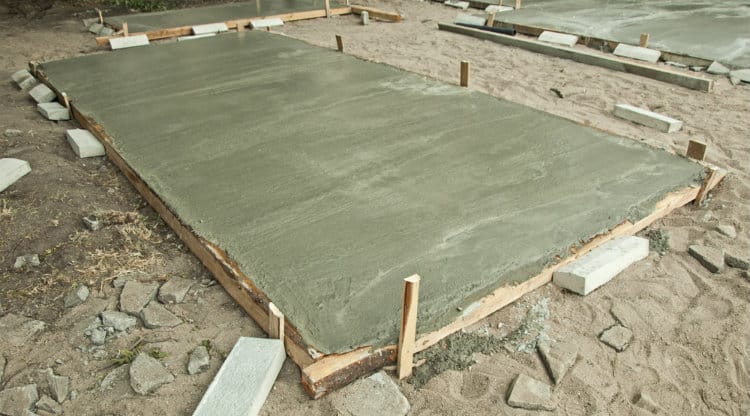
Your Largest concrete slab without joints images are available in this site. Largest concrete slab without joints are a topic that is being searched for and liked by netizens now. You can Find and Download the Largest concrete slab without joints files here. Download all free vectors.
If you’re looking for largest concrete slab without joints images information linked to the largest concrete slab without joints keyword, you have visit the right site. Our website always provides you with suggestions for refferencing the maximum quality video and picture content, please kindly hunt and locate more enlightening video articles and graphics that fit your interests.
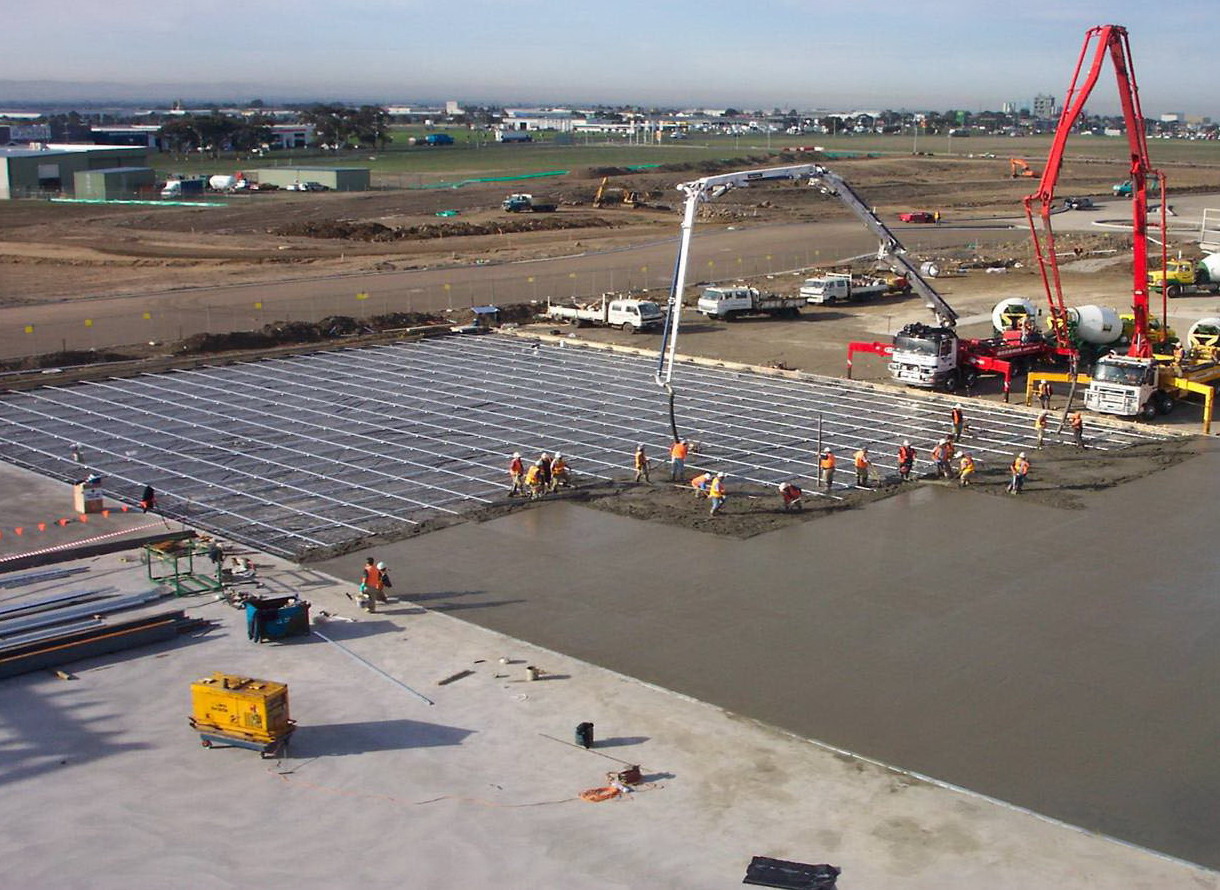
Largest Concrete Slab Without Joints. Mike McCann MMC Engineering. The newly poured slab at Australian Container Freight Services measures a whopping 50000 square metres without a joint in sight. U sually expansion joints should be no farther apart than 2 to 3 times in feet the total width of the concrete in inches. Joint spacing that is greater than 15 feet require the use of load transfer devices dowels or diamond plates.
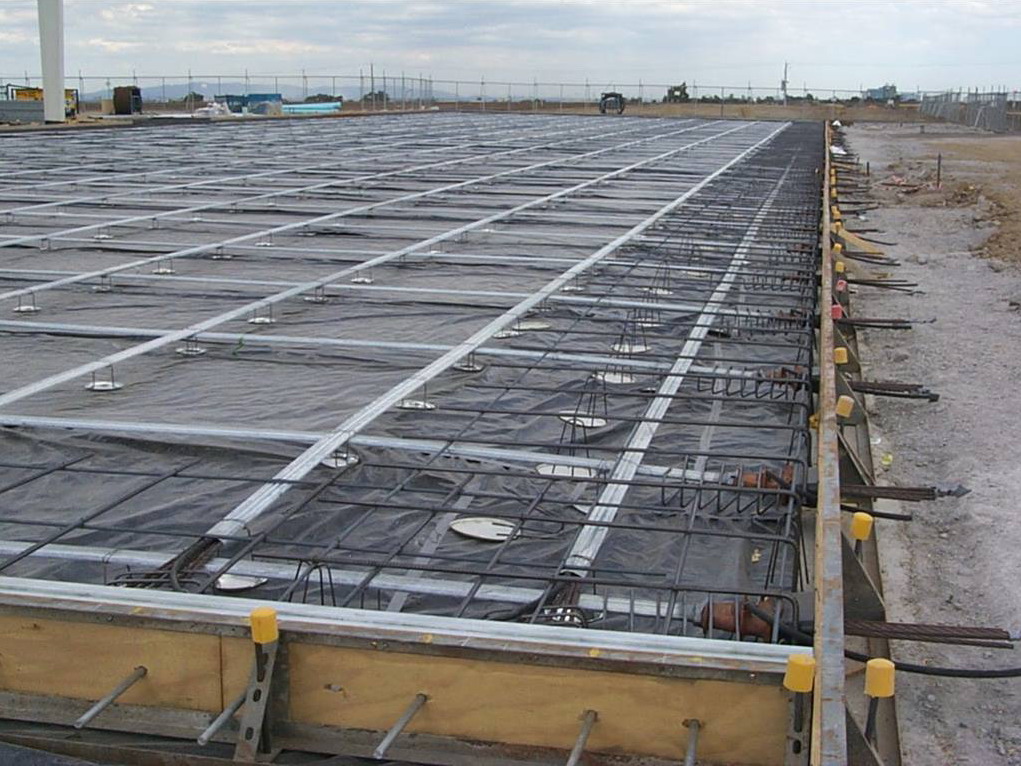 Joint Free Post Tensioned Slabs On Grade Vsl From en.vsl.cz
For a slab 150 mm 6 in thick made of concrete with unknown drying shrinkagea common situationACI 360 now calls for joints no more than 36 m 12 ft apart. Construction schedules and contractor economics typically require concrete placements of 10000 to 20000 square feet or from 30000 to 50000. Slab on grade without control joints. You certainly do want to limit the size of the panels between control joints based on thickness of the slab and other factors. Lloyd Concrete Services A well-compacted subbase is essential to the success of any concrete floor. Expands the inner matrix of the slab after the initial set.
A recent project was at 108 feet by 88 feet with no cracks.
Currently the worlds largest concrete slab without any expansion or control joints is at the Australian Container Freight Services pier in the Port of Brisbane. A recent project was at 108 feet by 88 feet with no cracks. So for a 4 inch thick concrete slab expansion joints should be no more than 8 to 12 feet apart. Joint Spacing in Feet Contraction joints may be tooled into the concrete surface at the time of placement. U sually expansion joints should be no farther apart than 2 to 3 times in feet the total width of the concrete in inches. The biggest floor weve done was 125 feet by 125 feet.
 Source: pinterest.com
Depending on the slab layout the area between construction joints should be limited to 400 to 600 square feet or so. You certainly do want to limit the size of the panels between control joints based on thickness of the slab and other factors. An admix to reduce water would help to reduce shrinkage and theres a good chance shrinkage cracks would be minor if at all but thats only half the story. Depending on the slab layout the area between construction joints should be limited to 400 to 600 square feet or so. Joint Spacing in Feet Contraction joints may be tooled into the concrete surface at the time of placement.
 Source: researchgate.net
Joint spacing that is greater than 15 feet require the use of load transfer devices dowels or diamond plates. Even very thick slabs are subject to a maximum joint spacing of 45 m 15 ft unless the concrete is tested for shrinkage and proves to have an ultimate drying-shrinkage rate below 0078 per cent. It is 50000 square meters or 5381955 square feet in size. U sually expansion joints should be no farther apart than 2 to 3 times in feet the total width of the concrete in inches. Joint free slabs is a multi-award winning patented system for slab on grade pavements constructed using our innovative method of catering for concrete shrinkage.
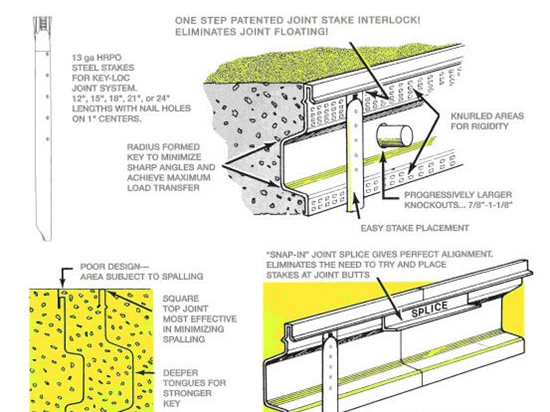 Source: concretenetwork.com
Joint free slabs is a multi-award winning patented system for slab on grade pavements constructed using our innovative method of catering for concrete shrinkage. Joint spacing that is greater than 15 feet require the use of load transfer devices dowels or diamond plates. Depending on the slab layout the area between construction joints should be limited to 400 to 600 square feet or so. 3-car slab is pretty big. External slab each panel 45m x 45m with contraction joints.
 Source: in.pinterest.com
Joint Spacing in Feet Contraction joints may be tooled into the concrete surface at the time of placement. Construction schedules and contractor economics typically require concrete placements of 10000 to 20000 square feet or from 30000 to 50000. Each cast 20m x 20m. Joints are commonly spaced at distances equal to 24 to 30 times the slab thickness. While the fiber will reduce smaller cracks which is what the stuff is used for in decrative concrete and adds some strength to flatwork but to not get a crack in a big slab over time is doutful.
 Source: buildmagazine.org.nz
The newly poured slab at Australian Container Freight Services measures a whopping 50000 square metres without a joint in sight. In traditional slabs on grade control joints are installed for this purpose. Internal slab each panel 60m x 60m with contraction joints. Local contractors are ready to help. 3-car slab is pretty big.
 Source: pinterest.com
Specification Limits on Slab-on-Grade Placement Size. In traditional slabs on grade control joints are installed for this purpose. Joint free slabs is a multi-award winning patented system for slab on grade pavements constructed using our innovative method of catering for concrete shrinkage. Learn More About Decorative Concrete by Calling Us for a Free Consultation. While the fiber will reduce smaller cracks which is what the stuff is used for in decrative concrete and adds some strength to flatwork but to not get a crack in a big slab over time is doutful.
 Source: pinterest.com
An admix to reduce water would help to reduce shrinkage and theres a good chance shrinkage cracks would be minor if at all but thats only half the story. If it cannot be done in one pour it will have at least one cold joint but will also have construction joints. In traditional slabs on grade control joints are installed for this purpose. Specification Limits on Slab-on-Grade Placement Size. Joint Spacing in Feet Contraction joints may be tooled into the concrete surface at the time of placement.
 Source: studylib.net
Source: studylib.net
Steveh49 Structural 18 Feb 21 2116 Agree the crack expectations in writing. Specification Limits on Slab-on-Grade Placement Size. Joint free slabs is a multi-award winning patented system for slab on grade pavements constructed using our innovative method of catering for concrete shrinkage. Steveh49 Structural 18 Feb 21 2116 Agree the crack expectations in writing. Even very thick slabs are subject to a maximum joint spacing of 45 m 15 ft unless the concrete is tested for shrinkage and proves to have an ultimate drying-shrinkage rate below 0078 per cent.
Source: en.vsl.cz
Each cast 20m x 20m. Joint Spacing in Feet Contraction joints may be tooled into the concrete surface at the time of placement. An admix to reduce water would help to reduce shrinkage and theres a good chance shrinkage cracks would be minor if at all but thats only half the story. In traditional slabs on grade control joints are installed for this purpose. It is 50000 square meters or 5381955 square feet in size.
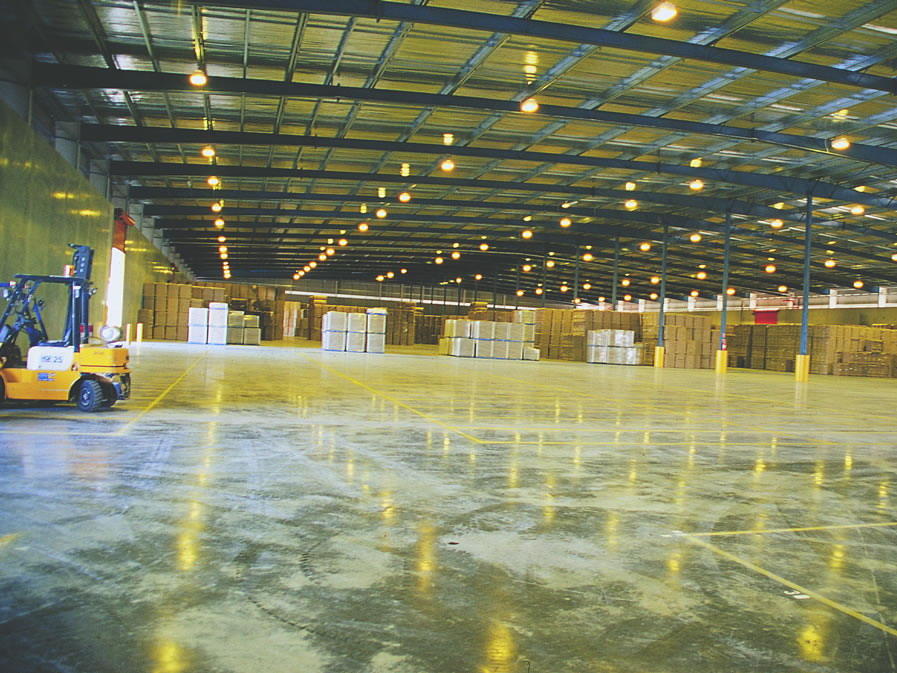 Source: en.vsl.cz
Internal slab each panel 60m x 60m with contraction joints. Currently the worlds largest concrete slab without any expansion or control joints is at the Australian Container Freight Services pier in the Port of Brisbane. Depending on the slab layout the area between construction joints should be limited to 400 to 600 square feet or so. It is 50000 square meters or 5381955 square feet in size. The newly poured slab at Australian Container Freight Services measures a whopping 50000 square metres without a joint in sight.
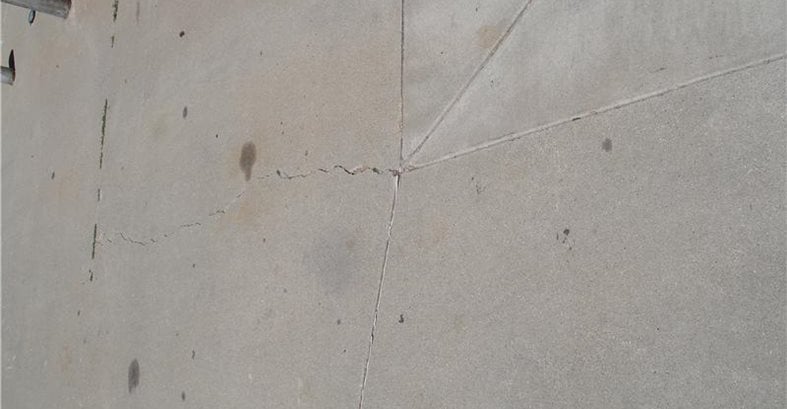 Source: concretenetwork.com
Joint spacing that is greater than 15 feet require the use of load transfer devices dowels or diamond plates. An admix to reduce water would help to reduce shrinkage and theres a good chance shrinkage cracks would be minor if at all but thats only half the story. It is 50000 square meters or 5381955 square feet in size. If it cannot be done in one pour it will have at least one cold joint but will also have construction joints. Ad Need help with cement work.
 Source: in.pinterest.com
Depending on the slab layout the area between construction joints should be limited to 400 to 600 square feet or so. If it cannot be done in one pour it will have at least one cold joint but will also have construction joints. So for a 4 inch thick concrete slab expansion joints should be no more than 8 to 12 feet apart. By far the largest joint-less concrete slab ever poured in Australia. Ad Need help with cement work.
 Source: concretesouth.com
Depending on the slab layout the area between construction joints should be limited to 400 to 600 square feet or so. An admix to reduce water would help to reduce shrinkage and theres a good chance shrinkage cracks would be minor if at all but thats only half the story. There is nothing in ACI with that kind of language though sanitary facilities have a spec calling for concrete to have complete joints every 30 feet with water stops but that may be a poor guideline too. Slab on grade without control joints. Ad Need help with cement work.
 Source: en.vsl.cz
Steveh49 Structural 18 Feb 21 2116 Agree the crack expectations in writing. Joint Spacing for Concrete Structures. Cold joints are placed at the end of a days pour. Joint free slabs is a multi-award winning patented system for slab on grade pavements constructed using our innovative method of catering for concrete shrinkage. You certainly do want to limit the size of the panels between control joints based on thickness of the slab and other factors.
 Source: pinterest.com
An admix to reduce water would help to reduce shrinkage and theres a good chance shrinkage cracks would be minor if at all but thats only half the story. Senior structural engineer and Northrop Principal Todd Halliday who oversaw the design and installation of the slab at the new container facility sees huge potential. By far the largest joint-less concrete slab ever poured in Australia. You certainly do want to limit the size of the panels between control joints based on thickness of the slab and other factors. For slab on piles.
 Source: pinterest.com
How big can a concrete slab be without expansion joints. Joint spacing that is greater than 15 feet require the use of load transfer devices dowels or diamond plates. For slab on piles. 04mm cracks can look bigger than people think they will and you might get that with 05 reo depending on the concrete. Internal slab each panel 60m x 60m with contraction joints.
 Source: pinterest.com
Steveh49 Structural 18 Feb 21 2116 Agree the crack expectations in writing. Concrete Floors Without Control Joints. A recent project was at 108 feet by 88 feet with no cracks. U sually expansion joints should be no farther apart than 2 to 3 times in feet the total width of the concrete in inches. Learn More About Decorative Concrete by Calling Us for a Free Consultation.
 Source: jlconline.com
Specification Limits on Slab-on-Grade Placement Size. Depending on the slab layout the area between construction joints should be limited to 400 to 600 square feet or so. If it cannot be done in one pour it will have at least one cold joint but will also have construction joints. Concrete Floors Without Control Joints. Even very thick slabs are subject to a maximum joint spacing of 45 m 15 ft unless the concrete is tested for shrinkage and proves to have an ultimate drying-shrinkage rate below 0078 per cent.
This site is an open community for users to do sharing their favorite wallpapers on the internet, all images or pictures in this website are for personal wallpaper use only, it is stricly prohibited to use this wallpaper for commercial purposes, if you are the author and find this image is shared without your permission, please kindly raise a DMCA report to Us.
If you find this site helpful, please support us by sharing this posts to your own social media accounts like Facebook, Instagram and so on or you can also bookmark this blog page with the title largest concrete slab without joints by using Ctrl + D for devices a laptop with a Windows operating system or Command + D for laptops with an Apple operating system. If you use a smartphone, you can also use the drawer menu of the browser you are using. Whether it’s a Windows, Mac, iOS or Android operating system, you will still be able to bookmark this website.