Your Post tension concrete slab foundation images are available. Post tension concrete slab foundation are a topic that is being searched for and liked by netizens now. You can Find and Download the Post tension concrete slab foundation files here. Find and Download all royalty-free photos and vectors.
If you’re looking for post tension concrete slab foundation pictures information linked to the post tension concrete slab foundation interest, you have pay a visit to the right blog. Our website always provides you with hints for viewing the maximum quality video and picture content, please kindly search and locate more enlightening video content and graphics that fit your interests.
Post Tension Concrete Slab Foundation. The most common post-tensioning system for two-way slab building construction uses mono-strand unbonded tendons. Post-tensioning utilizes concretes inherent compressive strength to construct slab-on-ground foundations. Of all PT tendons sold in the USA are for residential foundations. The post-tensioning method is the best way to create stronger more reliable concrete slabs.
 Post Tensioned Concrete Slabs Post Tension Membrane Structure Concrete Slab From pinterest.com
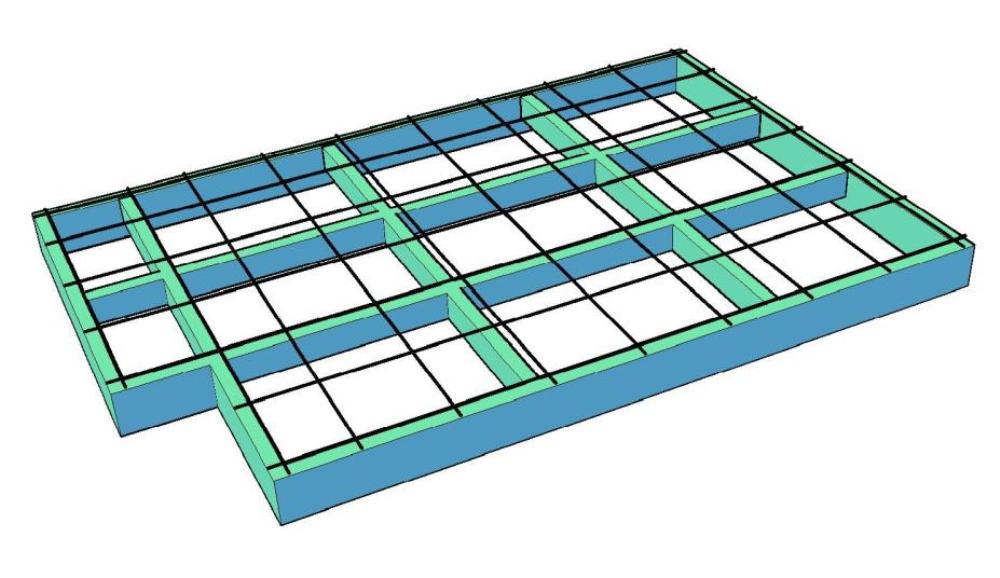
Typical post-tensioned ribbed foundation for residential construction with tendons placed in the center of the slab at approximately 48 inches on center in each direction. Apart from certain technical considerations this may be due to some conservatism inherent in foundation engineering. Post-tensioning utilizes concretes inherent compressive strength to construct slab-on-ground foundations. This means the foundation is reinforced by cables laid in a grid arrangement and tensioned after the concrete cures sufficiently with the intent to create. It is used when spans are large and normal RCC slabs become unformed. Of all PT tendons sold in the USA are for residential foundations.
Most of the home builders in Houston switched to post-tension cable foundations several decades ago because it was cheaper and quicker to install.
Post tension slab is a slab where the reinforcement goes through ducts and is made of steel wires not bars. A post tension slab is a concrete slab with steel cables running through it that have been placed under 33000 - pounds of tension. Apart from certain technical considerations this may be due to some conservatism inherent in foundation engineering. Post-tensioning utilizes concretes inherent compressive strength to construct slab-on-ground foundations. One such additional measure is to reinforce the slab through a process called post-tensioning. Post-tensioned concrete is lightweight durable and structurally efficient making it an ideal product for residential buildings commercial structures multifamily construction parking garages bridges and more.
 Source: pinterest.com
A foundation design with grade beams in a waffle pattern to stiffen the slab. This decision along with the decision to build thinner concrete slabs was driven by the home builders desire to boost profits. A typical draped profile in an elevated concrete slab would route the post-tensioned reinforcing through a high point over the slabs supports and through a. POST-TENSIONED CONCRETE IN BUILDING CONSTRUCTION - POST-TENSIONED FOUNDATIONS 1. Cables are stressed to compress the concrete in two directions resulting in an active reinforcement at all times after the cables are stressed.
 Source: in.pinterest.com
One such additional measure is to reinforce the slab through a process called post-tensioning. A residential post-tensioned concrete slab will typically be 8 inches thick and use 3000 psi concrete. The stranded cables are slid inside of plastic-sheathing which prevents the stranded steel tendons from touching the concrete. - Bob Brown AZFS Owner Foundation Repair Expert. Cables are stressed to compress the concrete in two directions resulting in an active reinforcement at all times after the cables are stressed.
 Source: pinterest.com
A typical draped profile in an elevated concrete slab would route the post-tensioned reinforcing through a high point over the slabs supports and through a. This method is a better way to construct a slab foundation to be more resistant to cracking and deflection. - Bob Brown AZFS Owner Foundation Repair Expert. I have been doing research for a long time about the difference between post-tension foundations vs rebar foundations. POST-TENSIONED CONCRETE IN BUILDING CONSTRUCTION - POST-TENSIONED FOUNDATIONS 1.
 Source: pinterest.com
This method is a better way to construct a slab foundation to be more resistant to cracking and deflection. Of tendons installed in residential foundations in the year 2000 alone. Once the concrete has gained strength to 2000 psi typically within the 3 to 10 days recommended by PTI the tendons are stressed. A typical draped profile in an elevated concrete slab would route the post-tensioned reinforcing through a high point over the slabs supports and through a. This is generally the most popular design type due to cost savings and design advantages.
 Source: in.pinterest.com
Apart from certain technical considerations this may be due to some conservatism inherent in foundation engineering. Market for Post-Tensioning Tendons Over 40. Once the concrete has gained strength to 2000 psi typically within the 3 to 10 days recommended by PTI the tendons are stressed. Uniform Thickness Post Tensioned PT Foundation systems are more susceptible to foundation heave. This method is a better way to construct a slab foundation to be more resistant to cracking and deflection.
 Source: pinterest.com
Post-Tension introduces an external compressive force into the concrete before the foundation experiences soil induced movements. The post-tensioning system. A post-tensioned foundation is a concrete slab foundation that is reinforced with stranded steel cables that are tensioned after the concrete hardens. Steel strands are run through the concrete in a grid pattern. This stronger thinner slab also saves money on concrete.
 Source: pinterest.com
Post-tensioned foundations are designed using the Post-Tensioning Institute PTI method first published in 1980 and recently updated with its 3rd edition. Post Tension Slab Preparations. The post-tensioning method is the best way to create stronger more reliable concrete slabs. One such additional measure is to reinforce the slab through a process called post-tensioning. This is achieved by laying out high-strength steel cables in a crisscrossed grid pattern throughout the foundation prior to.
 Source: pinterest.com
When the foundationconcrete has sufficiently hardenedcured the plastic-sheathing. Post-tension concrete slabs are used to create a monolithic single pour slab that is stronger than a traditional slab without reinforcement. The post-tensioning method is the best way to create stronger more reliable concrete slabs. This stronger thinner slab also saves money on concrete. Concrete is exceptionally strong in compression but weak in tension.
 Source: in.pinterest.com
A foundation design with grade beams in a waffle pattern to stiffen the slab. This is generally the most popular design type due to cost savings and design advantages. The most common post-tensioning system for two-way slab building construction uses mono-strand unbonded tendons. The post-tensioning system. Most of the home builders in Houston switched to post-tension cable foundations several decades ago because it was cheaper and quicker to install.
 Source: id.pinterest.com
The reason is because post-tensioning is a method of pre-compression which means the concrete is put into a state of compression which allows the concrete to take on flexure without cracking. When the foundationconcrete has sufficiently hardenedcured the plastic-sheathing. Steel strands are run through the concrete in a grid pattern. Market for Post-Tensioning Tendons Over 40. The stranded cables are slid inside of plastic-sheathing which prevents the stranded steel tendons from touching the concrete.
 Source: pinterest.com
The most common post-tensioning system for two-way slab building construction uses mono-strand unbonded tendons. This means the foundation is reinforced by cables laid in a grid arrangement and tensioned after the concrete cures sufficiently with the intent to create. Post-tension slabs are extensively used in bridges elevated slabs residential foundations walls and columns. Now lets discuss Post Tensioned foundation systems and the potential for foundation problems. Uniform Thickness Post Tensioned PT Foundation systems are more susceptible to foundation heave.
 Source: pinterest.com
I have not found a definitive answer. A residential post-tensioned concrete slab will typically be 8 inches thick and use 3000 psi concrete. I have not found a definitive answer. Steel strands are run through the concrete in a grid pattern. When the foundationconcrete has sufficiently hardenedcured the plastic-sheathing.
 Source: fi.pinterest.com
One such additional measure is to reinforce the slab through a process called post-tensioning. By adding tensile reinforcement to the slab post-tensioning allows the slab to be thinner. The post-tensioning method is the best way to create stronger more reliable concrete slabs. A residential post-tensioned concrete slab will typically be 8 inches thick and use 3000 psi concrete. Types of Slabs One Way Slab and Two Way Slab Conclusion.
Source: pinterest.com
The benefits of post-tensioning include. Post Tension Slab Preparations. Concrete is exceptionally strong in compression but weak in tension. A post tension slab is a concrete slab with steel cables running through it that have been placed under 33000 - pounds of tension. This is achieved by laying out high-strength steel cables in a crisscrossed grid pattern throughout the foundation prior to.
 Source: pinterest.com
Steel strands are run through the concrete in a grid pattern. The reason is because post-tensioning is a method of pre-compression which means the concrete is put into a state of compression which allows the concrete to take on flexure without cracking. Post-tensioned foundations are designed using the Post-Tensioning Institute PTI method first published in 1980 and recently updated with its 3rd edition. Post-tension concrete slabs are used to create a monolithic single pour slab that is stronger than a traditional slab without reinforcement. In this type of construction the prestressing steel is composed generally of high-strength single-wire steel wrapped with another six wires to form a seven-wire strand.
 Source: pinterest.com
Concrete is exceptionally strong in compression but weak in tension. Of all PT tendons sold in the USA are for residential foundations. In this type of construction the prestressing steel is composed generally of high-strength single-wire steel wrapped with another six wires to form a seven-wire strand. The post-tensioning method is the best way to create stronger more reliable concrete slabs. A post-tensioned foundation is a concrete slab foundation that is reinforced with stranded steel cables that are tensioned after the concrete hardens.
 Source: pinterest.com
The contractor places form boards around the perimeter to define the shape of the house and the plumber installs the under-slab plumbing before any steel is added or concrete poured. The stranded cables are slid inside of plastic-sheathing which prevents the stranded steel tendons from touching the concrete. Steel strands are run through the concrete in a grid pattern. June 22 2017. In this type of construction the prestressing steel is composed generally of high-strength single-wire steel wrapped with another six wires to form a seven-wire strand.
 Source: id.pinterest.com
Overview of post-tension foundation. The most common post-tensioning system for two-way slab building construction uses mono-strand unbonded tendons. Types of Slabs One Way Slab and Two Way Slab Conclusion. This stronger thinner slab also saves money on concrete. Post-Tension introduces an external compressive force into the concrete before the foundation experiences soil induced movements.
This site is an open community for users to submit their favorite wallpapers on the internet, all images or pictures in this website are for personal wallpaper use only, it is stricly prohibited to use this wallpaper for commercial purposes, if you are the author and find this image is shared without your permission, please kindly raise a DMCA report to Us.
If you find this site convienient, please support us by sharing this posts to your preference social media accounts like Facebook, Instagram and so on or you can also bookmark this blog page with the title post tension concrete slab foundation by using Ctrl + D for devices a laptop with a Windows operating system or Command + D for laptops with an Apple operating system. If you use a smartphone, you can also use the drawer menu of the browser you are using. Whether it’s a Windows, Mac, iOS or Android operating system, you will still be able to bookmark this website.


