Your What happens if you pour concrete in cold weather images are available in this site. What happens if you pour concrete in cold weather are a topic that is being searched for and liked by netizens now. You can Download the What happens if you pour concrete in cold weather files here. Find and Download all free images.
If you’re searching for what happens if you pour concrete in cold weather images information connected with to the what happens if you pour concrete in cold weather keyword, you have visit the ideal site. Our site frequently gives you hints for seeing the maximum quality video and image content, please kindly hunt and locate more informative video content and graphics that fit your interests.
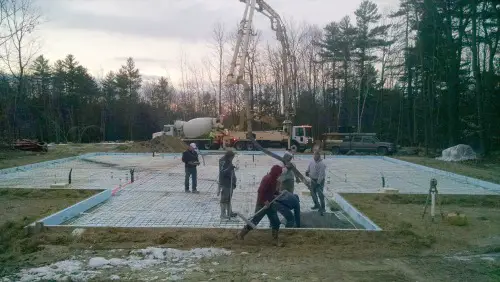
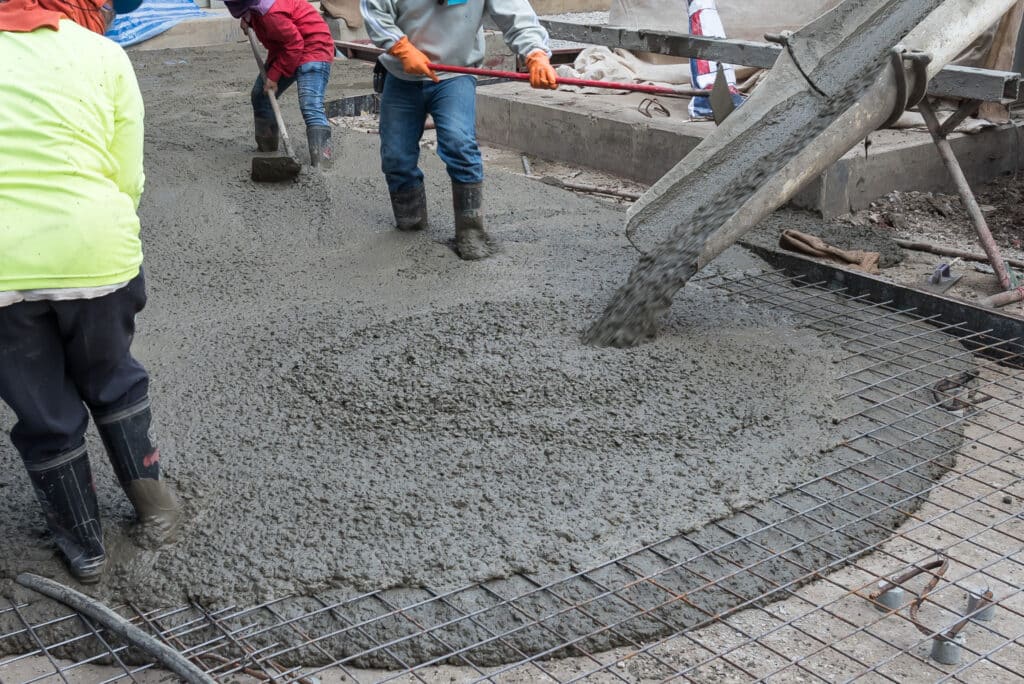
What Happens If You Pour Concrete In Cold Weather. Generally concrete should not be poured at very cold temperatures because extreme cold can affect the curing which results in weaker concrete. Frozen ground will settle as it thaws which leaves your concrete susceptible to cracking. When its cold and the ground hasnt been thawed the reaction slows down. You can even get crusting with the top part of.
 Pouring And Finishing Concrete In Freezing Cold Temperatures Youtube From youtube.com
However provided the concrete is able first to reach a strength of about 2 Nmm2 it. If the framework is removed too early the concrete will be damaged and the surface could collapse. Concrete poured and placed in cold weather has a much slower setting and curing time so bleeding will also start later than expected. Cold weather causes delays during construction even with tilt-up construction. Whether your pouring concrete footings floors or slabs the ground cant be frozen. Below 40F the hydration reaction basically stops and the concrete doesnt gain strength.
You can pour in cold weather as long as certain precautions are taken.
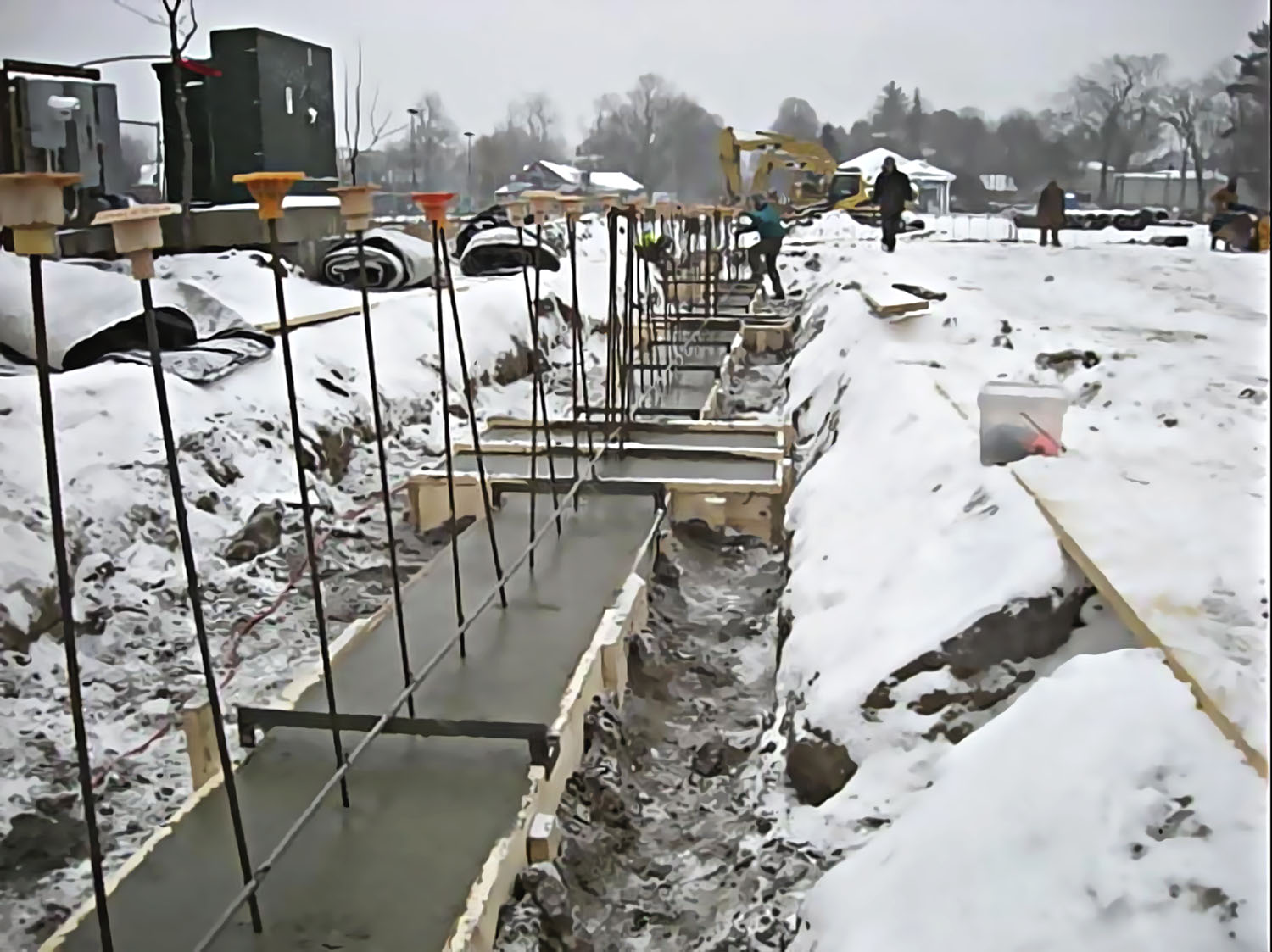
You can even get crusting with the top part of. If the framework is removed too early the concrete will be damaged and the surface could collapse. There are a couple of problems with this. If the ground is frozen or covered with ice or snow you should not place your concrete. A cold sub-grade will suck the heat right out of the concrete retarding the set time dramatically. Answer 1 of 2.
 Source: kingconcrete.co.uk
The speed of the reaction depends upon the temperature of the concrete. You can use squeegees or a vacuum to remove water quickly. Concrete transforms from a liquid to a solid material through a chemical reaction. Local contractors are ready to help. When its cold and the ground hasnt been thawed the reaction slows down.
 Source: everything-about-concrete.com
You can use squeegees or a vacuum to remove water quickly. If the framework is removed too early the concrete will be damaged and the surface could collapse. Concrete transforms from a liquid to a solid material through a chemical reaction. The speed of the reaction depends upon the temperature of the concrete. Local contractors are ready to help.
 Source: news.whitecap.com
Local contractors are ready to help. If the ground is frozen or covered with ice or snow you should not place your concrete. Since everything is done on. There are a couple of problems with this. If you leave the concrete exposed or if you uncover it too soon the top layer of the concrete can freeze and pop off.
 Source: powerblanket.com
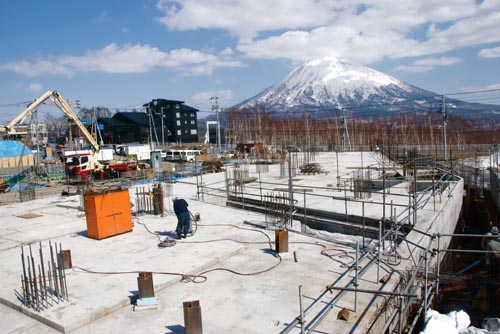
Be prepared to handle more bleed water than is typical in regular concrete placement. Local contractors are ready to help. Youll have to protect the sub-grade with insulating blankets hay or tent the area and heat it before the pour. Since everything is done on. Tilt-up construction during cold weather.
 Source: everything-about-concrete.com
Frozen ground will settle as it thaws which leaves your concrete susceptible to cracking. Local contractors are ready to help. Youll have to protect the sub-grade with insulating blankets hay or tent the area and heat it before the pour. Extra water often causes even bigger problems than a water deficit. If you leave the concrete exposed or if you uncover it too soon the top layer of the concrete can freeze and pop off.
 Source: powerblanket.com
The speed of the reaction depends upon the temperature of the concrete. A very interesting situation occurred during building the Ballistic Missile Early Warning System. Ad Need help with cement work. There are two main problems with pouring concrete in cold winter weather. You can even get crusting with the top part of.
 Source: uniquepavingmaterials.com
And even if it doesnt freeze the top will never be as tough as it would have been had it been protected. If the framework is removed too early the concrete will be damaged and the surface could collapse. The exposure of concrete to cold weather will extend the time required for it to reach initial set which may require finishing crews to be available for a longer period. Youll have to protect the sub-grade with insulating blankets hay or tent the area and heat it before the pour. A cold sub-grade will suck the heat right out of the concrete retarding the set time dramatically.
 Source: inspectapedia.com
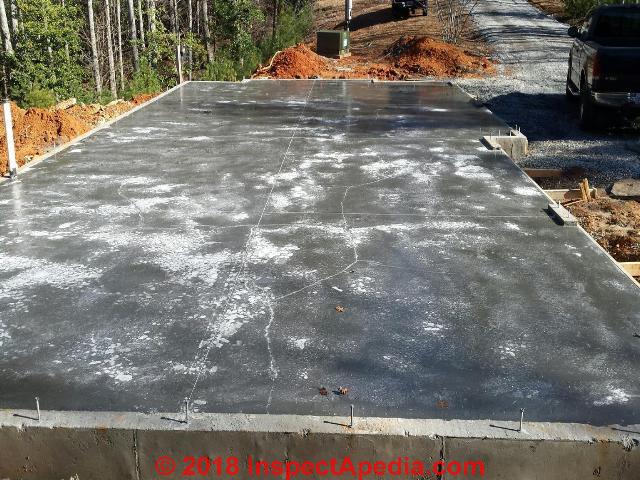
1 protect the newly placed concrete from early-age freezing 2 protect concrete to ensure adequate strength development and 3. Youll have to protect the sub-grade with insulating blankets hay or tent the area and heat it before the pour. The exposure of concrete to cold weather will extend the time required for it to reach initial set which may require finishing crews to be available for a longer period. In addition when wet concrete is placed on a cold surface the concrete will set more slowly. 1 protect the newly placed concrete from early-age freezing 2 protect concrete to ensure adequate strength development and 3.
 Source: everything-about-concrete.com
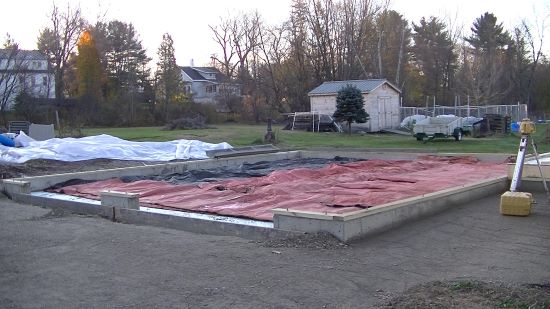
Since everything is done on. Cold weather causes delays during construction even with tilt-up construction. Ad Need help with cement work. Bleeding starts later and takes longer during cold weather. Concrete poured and placed in cold weather has a much slower setting and curing time so bleeding will also start later than expected.
 Source: foxblocks.com
Generally concrete should not be poured at very cold temperatures because extreme cold can affect the curing which results in weaker concrete. Cold weather causes delays during construction even with tilt-up construction. Concrete pouring in cold weather may require you to take extra measures to ensure the highest quality most robust finish. There are a couple of problems with this. You can even get crusting with the top part of.
 Source: askthebuilder.com
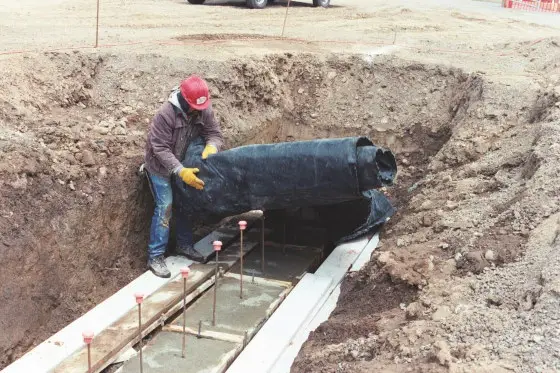
Whether your pouring concrete footings floors or slabs the ground cant be frozen. Cold weather causes delays during construction even with tilt-up construction. Answer 1 of 2. You can pour in cold weather as long as certain precautions are taken. 1 protect the newly placed concrete from early-age freezing 2 protect concrete to ensure adequate strength development and 3.
 Source: kitcheninfinity.com
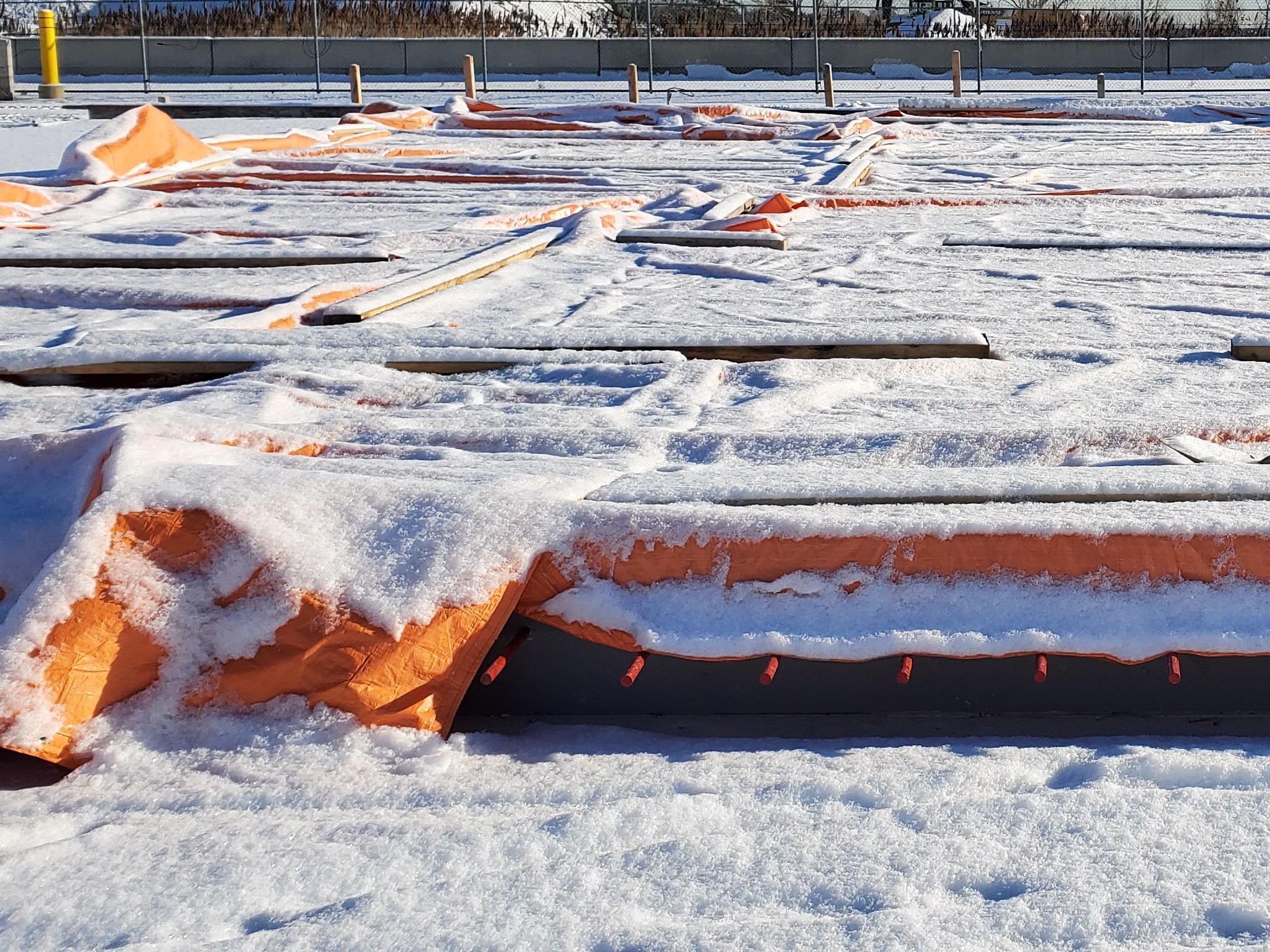
Second when the ground is cold the concrete in contact with it will be cold and will set more slowly. Answer 1 of 2. However the standard industrial case for concrete curing time is 28 days. When the weather is warm the reaction proceeds quickly. Frozen ground will settle as it thaws which leaves your concrete susceptible to cracking.
 Source: kitcheninfinity.com
Concrete sets more slowly when it is coldvery slow below 50F. Concrete pouring in cold weather may require you to take extra measures to ensure the highest quality most robust finish. Ad Need help with cement work. In addition when wet concrete is placed on a cold surface the concrete will set more slowly. Wait until concrete has reached desired strength to remove any framework.
 Source: powerblanket.com
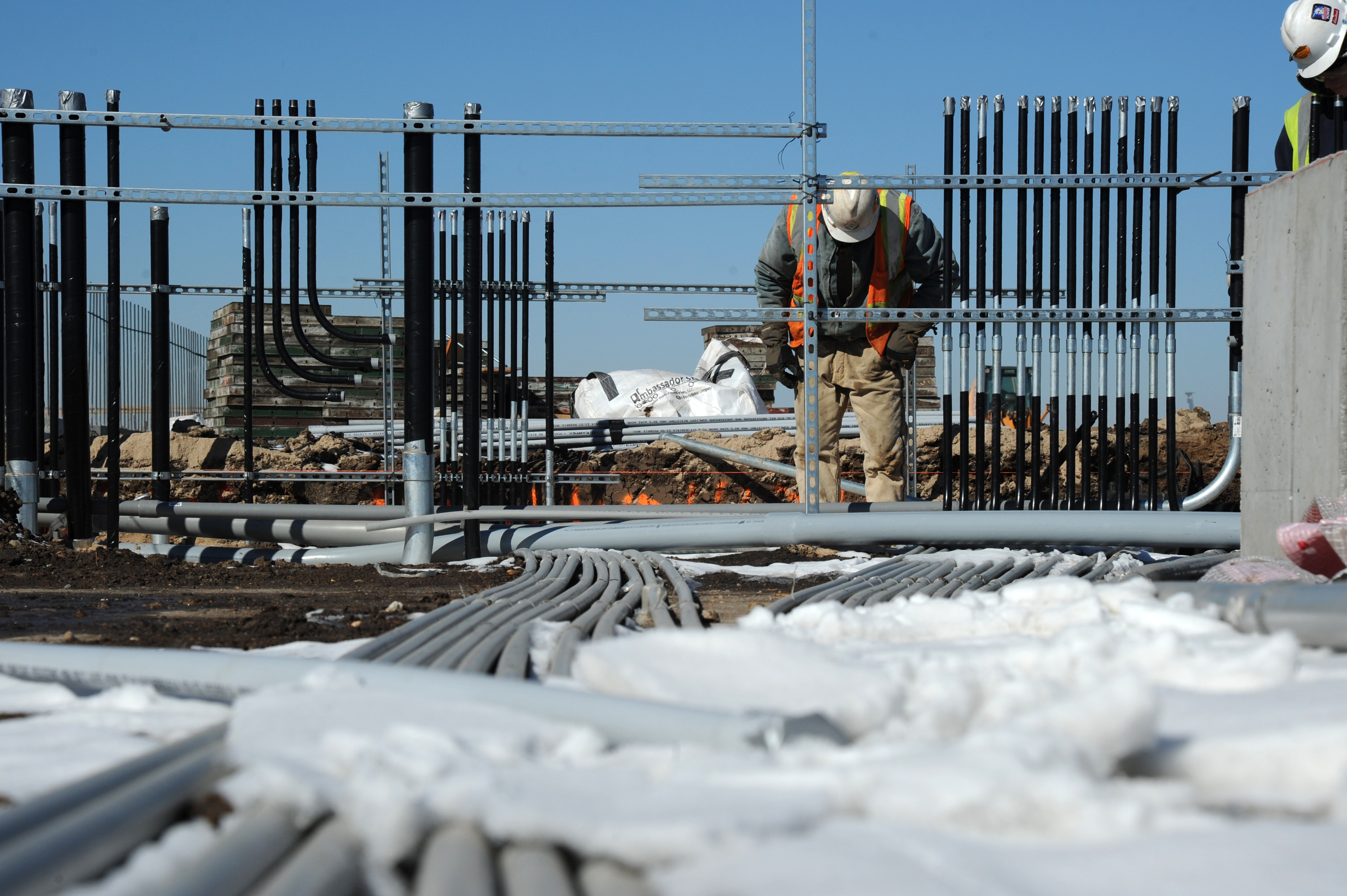
This too can create cracking in the concrete. Second when the ground is cold the concrete in contact with it will be cold and will set more slowly. However the standard industrial case for concrete curing time is 28 days. Tilt-up construction during cold weather. Local contractors are ready to help.
 Source: tiltwall.ca
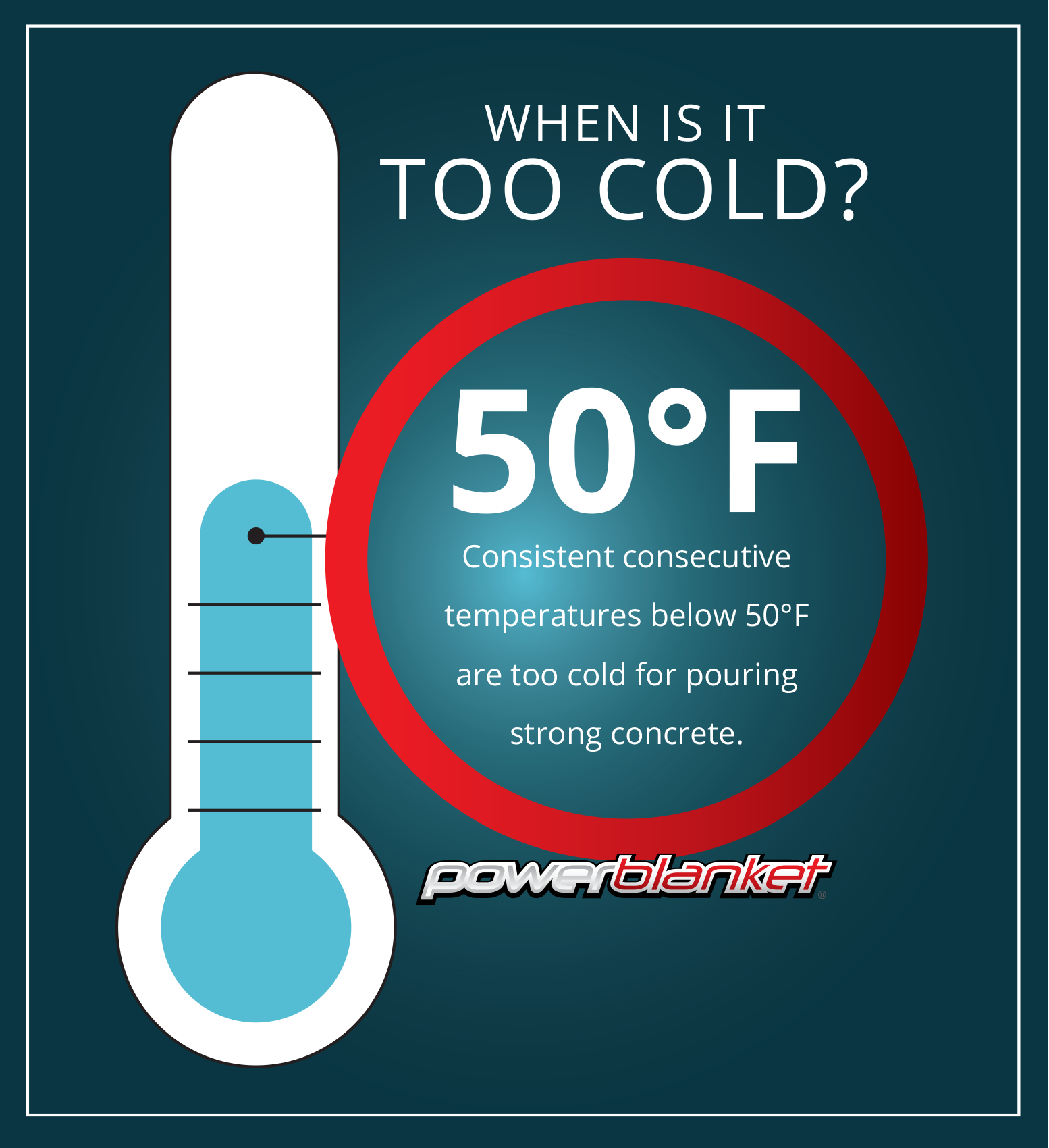
Cold weather period as defined by aci committee 306 is when one of the following conditions occur for three consecutive days. Tilt-up construction during cold weather. The speed of the reaction depends upon the temperature of the concrete. Concrete sets more slowly when it is coldvery slow below 50F. Below 40F the hydration reaction basically stops and the concrete doesnt gain strength.
 Source: giatecscientific.com
This could damage the concrete so much that it becomes useless and has to be removed. There are three primary objectives for cold weather concreting. If the framework is removed too early the concrete will be damaged and the surface could collapse. However provided the concrete is able first to reach a strength of about 2 Nmm2 it. Tilt-up construction during cold weather.
 Source: kitcheninfinity.com
You can pour in cold weather as long as certain precautions are taken. If you leave the concrete exposed or if you uncover it too soon the top layer of the concrete can freeze and pop off. If freshly poured concrete is left to cure or harden in freezing temperatures it can result in a weaker foundation and even damage to the resulting structure. Tilt-up construction during cold weather. This too can create cracking in the concrete.
Source: youtube.com
Depending on the actual ambient temperature protection of a concrete placement may require the use of windbreaks enclosures or supplementary heat. This could damage the concrete so much that it becomes useless and has to be removed. Whether your pouring concrete footings floors or slabs the ground cant be frozen. There are a couple of problems with this. Since everything is done on.
This site is an open community for users to submit their favorite wallpapers on the internet, all images or pictures in this website are for personal wallpaper use only, it is stricly prohibited to use this wallpaper for commercial purposes, if you are the author and find this image is shared without your permission, please kindly raise a DMCA report to Us.
If you find this site good, please support us by sharing this posts to your favorite social media accounts like Facebook, Instagram and so on or you can also save this blog page with the title what happens if you pour concrete in cold weather by using Ctrl + D for devices a laptop with a Windows operating system or Command + D for laptops with an Apple operating system. If you use a smartphone, you can also use the drawer menu of the browser you are using. Whether it’s a Windows, Mac, iOS or Android operating system, you will still be able to bookmark this website.


