Your What temperature can you still pour concrete images are ready in this website. What temperature can you still pour concrete are a topic that is being searched for and liked by netizens today. You can Download the What temperature can you still pour concrete files here. Find and Download all free images.
If you’re looking for what temperature can you still pour concrete images information related to the what temperature can you still pour concrete topic, you have pay a visit to the right blog. Our site frequently gives you suggestions for refferencing the maximum quality video and picture content, please kindly hunt and find more enlightening video content and images that match your interests.
What Temperature Can You Still Pour Concrete. The higher the concrete temperature at delivery time the more likely 500 psi will be attained in very cold conditions before freezing. Experts agree that the best temperature to pour concrete is between 50-60 F. Hot weather is more than just temperature. The ideal temperature range for pouring concrete is 40 to 60 degrees over a 24-hour period.
 Zpjpixc2g0utqm From
This is because concrete gains its strength and durability through a process known as hydration which can be affected by conditions of extreme heat or cold. The ideal temperature for pouring concrete is between 50 and 60 degrees Fahrenheit. Experts agree that the best temperature to pour concrete is between 50-60 F. While its feasible to install concrete above 60 degrees its normally not a good idea to install in temperatures below 40. If concrete curing temperatures are below freezing the water inside the concrete can freeze and expand resulting in cracks. In fact concrete cures best in a range between 70 to 80 F.
This is because concrete gains its strength and durability through a process known as hydration which can be affected by conditions of extreme heat or cold.
The rule of thumb is that if the concrete can be kept above 40F for 24 hours it will reach design strength. The current American Concrete Institute ACI definition of cold-weather concreting as stated in ACI 306 is a period when for more than three successive days the average daily air temperature drops below 40 degrees Fahrenheit and stays below 50 degrees Fahrenheit for more than one-half of any 24 hour period. The period can be reduced to 3 days if high early strength concrete is used and the temperature is above 10º C 50º F. If concrete curing temperatures are below freezing the water inside the concrete can freeze and expand resulting in cracks. In the world of concrete hot weather is more than just temperature. Temperatures below 50F will begin to slow the curing process and the water in the cement is at risk of freezing at temperatures below 40F.
 Source: hu.pinterest.com
While its feasible to install concrete above 60 degrees its normally not a good idea to install in temperatures below 40. The current American Concrete Institute ACI definition of cold-weather concreting as stated in ACI 306 is a period when for more than three successive days the average daily air temperature drops below 40 degrees Fahrenheit and stays below 50 degrees Fahrenheit for more than one-half of any 24 hour period. That is the chemical reaction between the water and Portland cement actually creates heat. As your temperature approaches 90 F however youll start to run into problems. Pouring concrete when its hotter than 80 degrees F is risky because your concrete can begin hardening sooner than you can get it poured and troweled.
 Source: pinterest.com
Know what temperature water you are adding. In the world of concrete hot weather is more than just temperature. Hot weather is more than just temperature. This typically happens within the first 24 hours. When temperatures dip below 40F the chemical reactions that strengthen concrete slow down and can lead to weaker concrete.
 Source: pinterest.com
In the world of concrete hot weather is more than just temperature. The current American Concrete Institute ACI definition of cold-weather concreting as stated in ACI 306 is a period when for more than three successive days the average daily air temperature drops below 40 degrees Fahrenheit and stays below 50 degrees Fahrenheit for more than one-half of any 24 hour period. Water temperatures ranging between 140 and 180 degrees F can be used but temperatures above 180 degrees F will compromise the mix. Nonetheless ASTM C 1064-86 set a maximum limit between 267C and 35C. Pouring concrete for fence posts is more difficult in cold weather as freezing temperatures can damage the concrete as it sets up.
 Source: pinterest.com
In order to avoid these issues its advised to pour concrete at a temperature between 50 to 60F. This is because concrete gains its strength and durability through a process known as hydration which can be affected by conditions of extreme heat or cold. Concrete cures best in a range between 70 to 80 F but as your temperature approaches 90 F youll start to run into problems. In fact concrete cures best in a range between 70 to 80 F. Ad Need help with cement work.
Source:
Temperatures below 50F will begin to slow the curing process and the water in the cement is at risk of freezing at temperatures below 40F. While most everyone enjoys the warm summer months the temperature can make it difficult when pouring concrete in hot weather. In order to avoid these issues its advised to pour concrete at a temperature between 50 to 60F. Water can be too hot for a concrete mix. Hot waterYour ready mixed concrete producer will usually have and use hot water in the concrete when the weather turns cold.
 Source: pinterest.com
Between 40 and 60 allows the water to slowly evaporate from the concrete but is not cold enough to slow down the chemical process of curing. Ad Need help with cement work. The necessary chemical reactions that set and strengthen concrete slow significantly below 50 F and are almost non-existent below 40 F. The ideal temperature for pouring concrete is between 50 and 60 degrees Fahrenheit. This is because concrete gains its strength and durability through a process known as hydration which can be affected by conditions of extreme heat or cold.
 Source: knightscompanies.com
The concrete temperature cannot drop more than 40 Fahrenheit in 24 hours. This typically happens within the first 24 hours. Most producers will try to have the concrete be at least 65F when it leaves the plant which is generally good enough depending on air temperature and thickness of the concrete element. Nonetheless ASTM C 1064-86 set a maximum limit between 267C and 35C. The concrete temperature cannot drop more than 40 Fahrenheit in 24 hours.
 Source: pinterest.com
That is the chemical reaction between the water and Portland cement actually creates heat. Pouring concrete when theres danger of frost is also a problem because concrete loses a tremendous amount of strength if it freezes before curing. As your temperature approaches 90 F however youll start to run into problems. Nonetheless ASTM C 1064-86 set a maximum limit between 267C and 35C. The ideal temperature range for pouring concrete is 40 to 60 degrees over a 24-hour period.
 Source: plasticinehouse.com
For most concrete structures the curing period at temperatures above 5º C 40º F should be a minimum of 7 days or until 70 of the specified compressive or flexural strength is attained. Hot weather is more than just temperature. Pouring concrete when theres danger of frost is also a problem because concrete loses a tremendous amount of strength if it freezes before curing. If the wind velocity is high the asphaltwill cool faster so on extremelywindy days the ambient temperature may need to be above 50 degrees. Water temperatures ranging between 140 and 180 degrees F can be used but temperatures above 180 degrees F will compromise the mix.
 Source: mastermixconcrete.co.uk
Concrete cures best in a range between 70 to 80 F but as your temperature approaches 90 F youll start to run into problems. Pouring concrete when theres danger of frost is also a problem because concrete loses a tremendous amount of strength if it freezes before curing. Experts agreethe best temperature to pour concrete is between 40 60F. While its feasible to install concrete above 60 degrees its normally not a good idea to install in temperatures below 40. In fact concrete cures best in a range between 70 to 80 F.
 Source: quikrete.com
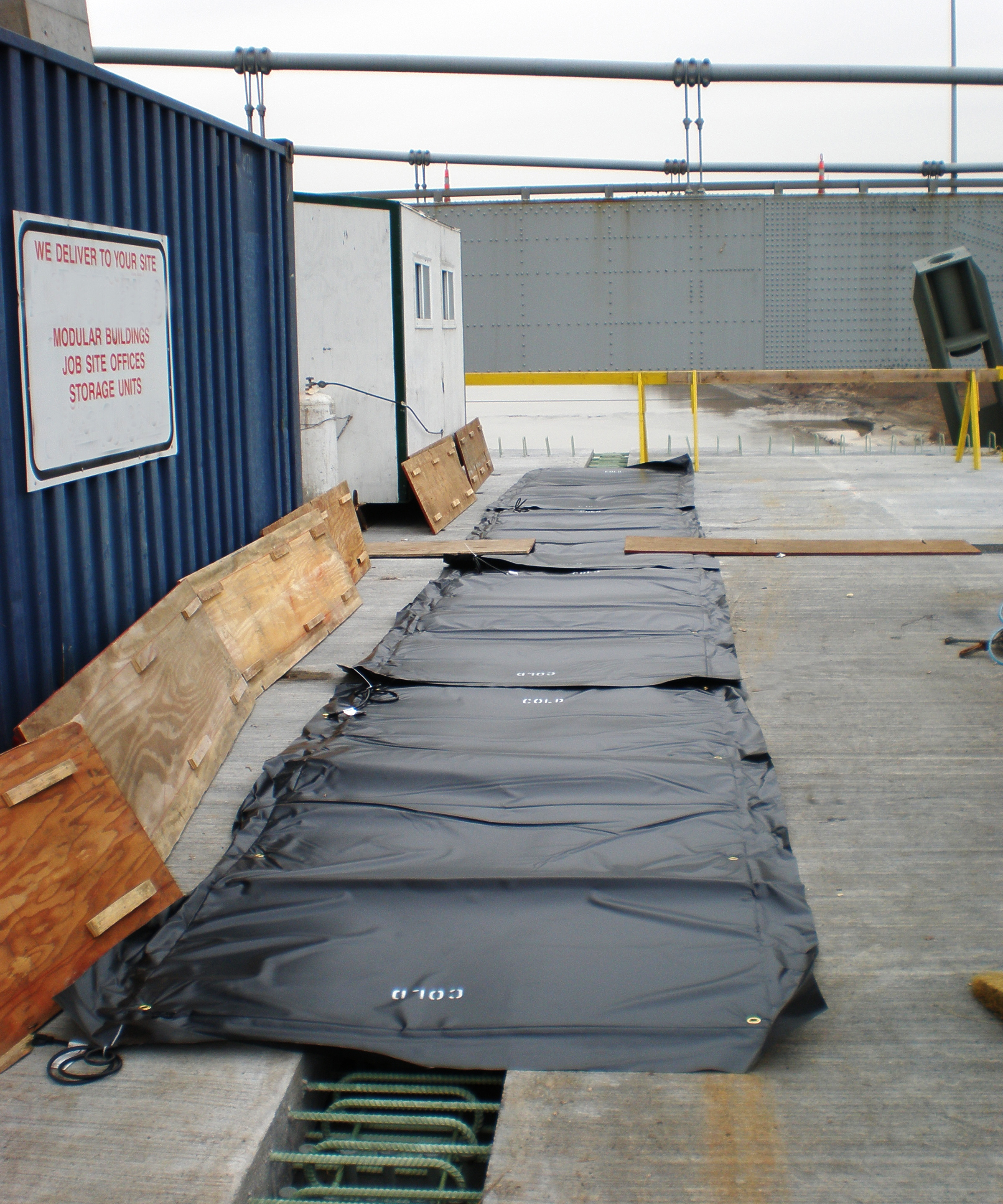
Maintain the concrete temperature above 40 degrees Fahrenheit for at least four more days after the use of the insulation blankets or heated enclosures. Hot weather is more than just temperature. In the world of concrete hot weather is more than just temperature. Local contractors are ready to help. Between 40 and 60 allows the water to slowly evaporate from the concrete but is not cold enough to slow down the chemical process of curing.
 Source: copavementsolutions.com
Nonetheless ASTM C 1064-86 set a maximum limit between 267C and 35C. Water can be too hot for a concrete mix. Local contractors are ready to help. The rule of thumb is that if the concrete can be kept above 40F for 24 hours it will reach design strength. Pouring concrete when its hotter than 80 degrees F is risky because your concrete can begin hardening sooner than you can get it poured and troweled.
 Source: pinterest.com
The concrete temperature cannot drop more than 40 Fahrenheit in 24 hours. Water temperatures ranging between 140 and 180 degrees F can be used but temperatures above 180 degrees F will compromise the mix. Hot weather is more than just temperature. The ideal temperature for pouring concrete is between 50 and 60 degrees Fahrenheit. Know what temperature water you are adding.
 Source: kitcheninfinity.com
You must take extra precautions to ensure that the concrete stays warm enough to set and harden without freezing. Pouring concrete when theres danger of frost is also a problem because concrete loses a tremendous amount of strength if it freezes before curing. This is because concrete gains its strength and durability through a process known as hydration which can be affected by conditions of extreme heat or cold. These can allow concrete to be poured at temperatures under 30 degrees Fahrenheit. The current American Concrete Institute ACI definition of cold-weather concreting as stated in ACI 306 is a period when for more than three successive days the average daily air temperature drops below 40 degrees Fahrenheit and stays below 50 degrees Fahrenheit for more than one-half of any 24 hour period.
 Source:
Pouring concrete for fence posts is more difficult in cold weather as freezing temperatures can damage the concrete as it sets up. While its feasible to install concrete above 60 degrees its normally not a good idea to install in temperatures below 40. Hot weather is more than just temperature. The higher the concrete temperature at delivery time the more likely 500 psi will be attained in very cold conditions before freezing. Most applications require that the ambient temperature is at least 50 degrees Fahrenheit and rising while the asphaltis being installed and compacted.
 Source: powerblanket.com
In the world of concrete hot weather is more than just temperature. While its feasible to install concrete above 60 degrees its normally not a good idea to install in temperatures below 40. ACI 3015 ACI 301 and ASTM C94 set no temperature limit on fresh concrete in hot weather conditions if precautions are considered in proportioning production delivery placing and curing concrete. Most producers will try to have the concrete be at least 65F when it leaves the plant which is generally good enough depending on air temperature and thickness of the concrete element. Know what temperature water you are adding.
 Source: pinterest.com
Experts agree that the best temperature to pour concrete is between 50-60 F. Maintain the concrete temperature above 40 degrees Fahrenheit for at least four more days after the use of the insulation blankets or heated enclosures. The rule of thumb is that if the concrete can be kept above 40F for 24 hours it will reach design strength. The Ideal Temperature for Pouring Concrete. In order to avoid these issues its advised to pour concrete at a temperature between 50 to 60F.
 Source: pinterest.com
The higher the concrete temperature at delivery time the more likely 500 psi will be attained in very cold conditions before freezing. Maintain the concrete temperature above 40 degrees Fahrenheit for at least four more days after the use of the insulation blankets or heated enclosures. Water can be too hot for a concrete mix. Concrete cures best in a range between 70 to 80 F but as your temperature approaches 90 F youll start to run into problems. In most cases figure that you should start thinking about hot weather techniques any time the air temperature is over about 85 although even 80 with sun and a dry wind could be considered hot.
This site is an open community for users to share their favorite wallpapers on the internet, all images or pictures in this website are for personal wallpaper use only, it is stricly prohibited to use this wallpaper for commercial purposes, if you are the author and find this image is shared without your permission, please kindly raise a DMCA report to Us.
If you find this site good, please support us by sharing this posts to your favorite social media accounts like Facebook, Instagram and so on or you can also bookmark this blog page with the title what temperature can you still pour concrete by using Ctrl + D for devices a laptop with a Windows operating system or Command + D for laptops with an Apple operating system. If you use a smartphone, you can also use the drawer menu of the browser you are using. Whether it’s a Windows, Mac, iOS or Android operating system, you will still be able to bookmark this website.